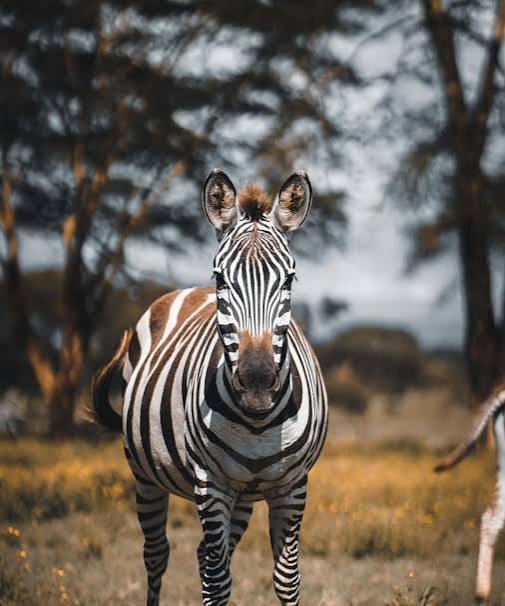
3 Days Akagera National Park Safari
3 Days Akagera National Park Safari The 3 Days Akagera National Park Safari is an ideal choice for travelers who
Rwanda has built its entire safari identity around a single, deliberate idea: fewer visitors, higher value, and a uncompromising conservation model. The result is a country where you can fly into Kigali and be standing among wild mountain gorillas within three hours, where a savanna park once emptied by war now sits on National Geographic’s list of the world’s top destinations and where ancient rainforest, volcanic peaks, and Africa’s Big Five.
This guide covers everything a first-time visitor needs to plan a Rwanda safari with confidence: the country’s four national parks and what each offers, the exact cost of gorilla trekking and how the 30 percent low-season discount actually works, realistic trip budgets across every tier, and when to go.
3 Days Akagera National Park Safari The 3 Days Akagera National Park Safari is an ideal choice for travelers who
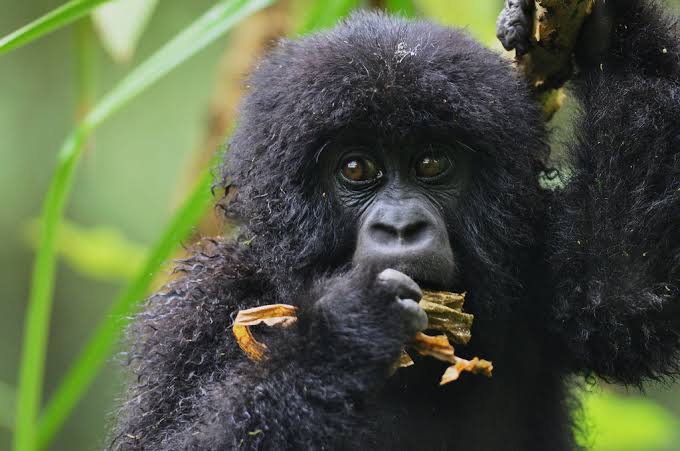
2 Days Rwanda Gorilla Trekking This 2 Days Rwanda Gorilla Trekking allows you to track the critically endangered mountain gorillas

1 Day Gorilla Trekking Experience | Volcanoes National Park For travelers who want to experience mountain gorilla trekking in Rwanda
Rwanda’s Four National Parks
Rwanda manages just four national parks, a deliberately compact portfolio compared with Uganda’s ten, but each protects a distinct ecosystem. Volcanoes National Park, in the far northwest, is Africa’s oldest national park, established in 1925, protecting five of the eight Virunga Massif volcanoes, Karisimbi, Bisoke, Muhabura, Gahinga, and Sabyinyo, and remains the country’s most visited park, home to mountain gorillas, golden monkeys, and the grave of primatologist Dian Fossey. Nyungwe National Park, in the southwest near the Burundian border and Lake Kivu, protects one of Africa’s oldest rainforests and holds 13 recorded primate species, including chimpanzees, alongside some of the continent’s best forest birding and a 160-metre suspended canopy walkway.
Akagera National Park, in the east along the Tanzanian border, is Rwanda’s only savanna park and the sole place in the country to see the Big Five, lion, leopard, elephant, buffalo, and both black and white rhino, all reintroduced through a remarkable conservation partnership after the park was nearly emptied of wildlife following the 1994 genocide. In October 2025, National Geographic named Akagera among the world’s top 25 destinations for 2026, citing its scenic, uncrowded savanna. Gishwati-Mukura National Park, Rwanda’s newest and smallest, gazetted in 2015 from two previously separate forest fragments, offers a quieter, considerably less-visited alternative for chimpanzee and golden monkey trekking away from Volcanoes National Park’s greater tourist volume.
Gorilla Trekking: The Centrepiece of a Rwanda Safari
A standard Rwanda gorilla trekking permit costs $1,500 per person for visitors from outside Africa, covering park entry, an experienced ranger guide, and a hour spent with a habituated mountain gorilla family in Volcanoes National Park. This is considerably more than Uganda’s $800 equivalent, and Rwanda’s pricing reflects a deliberate national strategy, high-value, low-volume tourism that limits daily visitor numbers while generating stronger conservation revenue per trekker. Rwanda currently issues 112 permits daily, eight per family across 14 habituated groups, and the minimum trekking age is strictly 15, with no exceptions.
Discounted rates apply for specific groups: foreign residents and other African passport holders pay $500, and East African Community citizens pay $200, a deliberate policy encouraging regional and diaspora tourism alongside the premium international rate.
The 30 Percent Low-Season Discount
Between November and May, Rwanda offers a real, meaningful discount, bringing the standard permit down to $1,050, but only for travelers who also spend at least two nights combined at Akagera and Nyungwe National Parks, with proof required in the form of a paid activity and hotel confirmation from at least one of the two parks. This isn’t a blanket seasonal discount, it’s a deliberate incentive designed to spread tourism revenue across Rwanda’s broader park network rather than concentrating everything on Volcanoes alone, and it rewards exactly the kind of well-rounded, multi-park itinerary this guide recommends in any case.
What a Full Rwanda Safari Actually Costs
Cost estimates vary meaningfully by source and trip length, but the general shape is consistent: a budget 7-day Rwanda safari runs roughly $3,000 to $4,500 per person, a mid-range trip $5,000 to $8,000, and a luxury itinerary $10,000 to $20,000 or more, figures driven overwhelmingly by the $1,500 gorilla permit and Rwanda’s generally premium accommodation positioning. A shorter, more focused trip, permit plus a few nights around Volcanoes National Park alone, can total $2,000 to $3,000 per person once lodging, transport, food, and tips are added to the base permit cost.
Rwanda’s most celebrated luxury lodges, Bisate Lodge, Singita Kwitonda Lodge, and Sabyinyo Silverback Lodge, anchor the top end of this range, and a 9-day luxury Rwanda safari staying at properties like these can exceed $15,000 per person. At the more accessible end, Hotel Muhabura in Musanze remains among the most affordable options near Volcanoes National Park.
Cost Comparison by Tier
Tier | Approx. 7-Day Total | What’s Typically Included |
Budget | $3,000-4,500 per person | Permit, modest lodges, shared or basic transport |
Mid-range | $5,000-8,000 per person | Permit, comfortable ensuite lodges, private vehicle |
Luxury | $10,000-20,000+ per person | Permit, premium lodges (Bisate, Singita, Sabyinyo), private guiding |
Beyond the Permit: Where the Rest of Your Budget Goes
A private 4×4 with driver typically costs $250 to $350 per day, worthwhile given Rwanda’s steep, occasionally rough roads approaching Volcanoes National Park specifically. Accommodation spans the full range, from Hotel Muhabura’s modest rates through mid-range lodges around $150 to $400 per night, up to the country’s flagship luxury properties exceeding $1,000 nightly. Add porter fees for the gorilla trek itself, tips for guides and lodge staff, and meals not included in your accommodation package, and a realistic total for a focused, shorter Rwanda trip lands around $2,000 to $3,000 per person once every line item is accounted for.
How Rwanda Compares to Uganda
The honest comparison comes down to trade-offs rather than one country being objectively better. Rwanda’s compact size and excellent infrastructure mean the drive from Kigali International Airport to Volcanoes National Park takes under three hours, considerably shorter than Uganda’s eight-to-ten-hour haul to Bwindi, making Rwanda the more convenient choice for shorter trips or travelers prioritizing minimal transit time. Uganda, in turn, offers meaningfully lower permit costs, $800 against Rwanda’s $1,500, a considerably larger overall national park network, and a broader spread of budget-tier accommodation. Neither the gorillas nor the core trekking experience differ meaningfully between the two countries, so the decision rests on budget, convenience, and how much of the rest of each country’s wildlife you want to see.
What Else a Rwanda Safari Offers Beyond Gorillas
Volcanoes National Park’s own activity list extends well beyond gorilla trekking: golden monkey tracking in the bamboo forest, a hike to Dian Fossey’s grave at the former Karisoke Research Centre, and volcano hikes up Bisoke or the considerably more demanding, multi-day Karisimbi climb. Nyungwe adds chimpanzee tracking, forest birding, and its suspended canopy walkway, while Akagera delivers classic savanna game drives and boat cruises on Lake Ihema in pursuit of the full Big Five. For travelers wanting a change of pace after the trekking-heavy days, Lake Kivu’s shoreline towns offer swimming, kayaking, and coffee tours in a considerably more relaxed setting.
When to Go
Rwanda’s dry seasons, June through September and December through February, deliver the firmest trekking conditions and the most reliable wildlife viewing across all four parks, and represent peak demand, meaning permits and premium lodges book out furthest in advance during these windows. The wetter months, roughly March, April, October, and November, bring muddier trails and a real chance of rain interrupting a trek, but this is also precisely the window that unlocks the 30 percent gorilla permit discount, a trade-off worth weighing rather than dismissing outright.
How to Book
Gorilla permits can be booked directly through the Rwanda Development Board via the Irembo online platform, requiring full passport details and upfront payment, or, more commonly, through a licensed tour operator who handles the entire booking process alongside your broader itinerary. Given Rwanda’s limited daily permit cap, just 112 across the whole country, booking three to six months ahead is standard practice, and considerably longer for peak season dates specifically.
Building a First Rwanda Itinerary
A well-paced first Rwanda trip runs five to seven days: two to three nights around Volcanoes National Park for gorilla trekking and, time permitting, golden monkey tracking or a volcano hike, followed by a stop at either Nyungwe for chimpanzees and forest walks or Akagera for a Big Five safari, whichever better matches your interests. Travelers specifically targeting the low-season permit discount should build in two-night stays at both Akagera and Nyungwe, or one night at each, to properly qualify, rather than a token, single-night stop that fails to meet the requirement.
Frequently Asked Questions
How much does a Rwanda gorilla trekking permit cost?
$1,500 per person for international visitors in 2026, covering park entry, a ranger guide, and one hour with a habituated gorilla family. Foreign residents pay $500, and East African Community citizens pay $200.
Does Rwanda offer a discount on gorilla permits?
Yes, a 30% discount bringing the permit to $1,050, available between November and May, but only for travelers who also spend at least two nights combined at Akagera and Nyungwe National Parks with proof of a paid activity and accommodation.
What are Rwanda’s four national parks?
Volcanoes National Park (mountain gorillas, golden monkeys), Nyungwe National Park (chimpanzees, forest birding), Akagera National Park (Big Five savanna safari), and Gishwati-Mukura National Park (quieter primate trekking).
How much does a full Rwanda safari cost?
Roughly $3,000-4,500 per person for a budget 7-day trip, $5,000-8,000 for mid-range, and $10,000-20,000 or more for a luxury itinerary, driven largely by the $1,500 gorilla permit and premium accommodation choices.
Is Rwanda more convenient than Uganda for gorilla trekking?
Yes, generally. The drive from Kigali International Airport to Volcanoes National Park takes under three hours, considerably shorter than Uganda’s eight-to-ten-hour transfer to Bwindi, making Rwanda the more time-efficient choice