Guide to African Safaris & Tours
Africa is the birthplace of the safari, and it remains the finest place on earth to witness wildlife in the wild, but the continent is vast: 54 countries, hundreds of reserves, and a spectrum of experiences running from misted gorilla forests to red desert dunes, from eye-level leopard sightings to shoulder-deep elephant encounters.
There is no single “best” African safari, only the one that matches what you actually want to see, how much time and budget you have, and the pace of travel you enjoy.
This guide works through the continent’s major safari regions, the different styles of safari on offer, and how to think about timing so you can build a trip around your own priorities rather than someone else’s bucket list.
East Africa: The Classic Safari Heartland
Kenya and Tanzania anchor East Africa’s reputation as the spiritual home of the safari, and for good reason. The Serengeti and the Masai Mara host the greatest wildlife spectacle on earth, the Great Migration of nearly two million wildebeest and zebra, alongside the dramatic river crossings that follow. Tanzania’s Ngorongoro Crater delivers an extraordinary concentration of wildlife within a single collapsed volcanic caldera, often described as nature’s own amphitheatre, while Kenya’s flexible combination of the Mara, Amboseli, Laikipia, and Samburu makes it one of the strongest choices for a first safari that doesn’t force an overly long route.
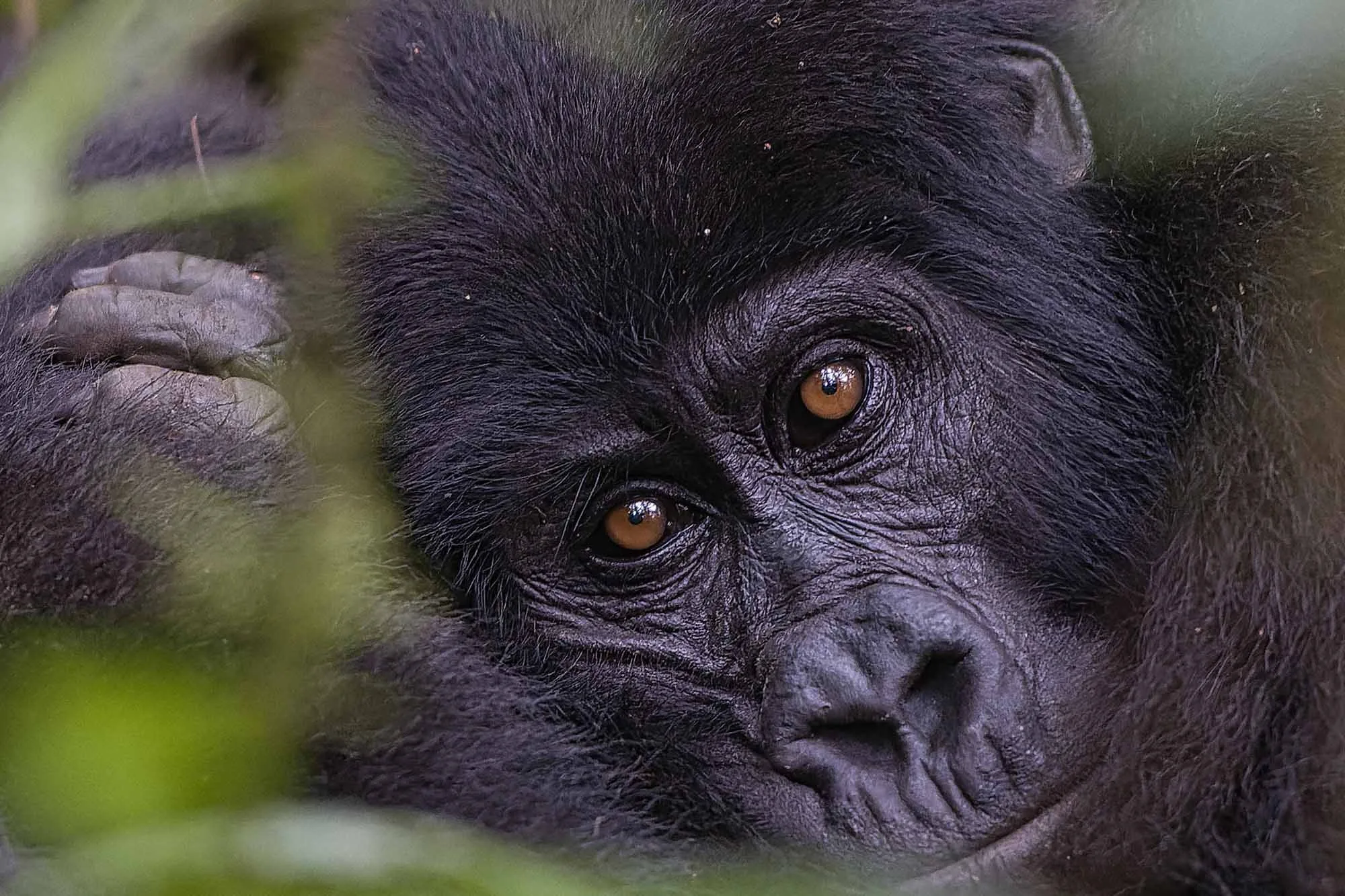
Uganda and Rwanda extend East Africa’s appeal into different territory: mountain gorilla trekking, found in only three countries worldwide. Uganda combines gorilla trekking in Bwindi and chimpanzee tracking in Kibale with relaxed savanna safaris in Queen Elizabeth National Park, at lower permit costs than its neighbor, while Rwanda offers a more compact, polished, high-value experience centered on Volcanoes National Park, easily combined with Akagera’s Big Five or Nyungwe’s rainforest and chimpanzees. Together, the four countries form a natural multi-country circuit, often finishing with Zanzibar’s beaches for travelers wanting to close a wildlife-heavy trip with rest.
Southern Africa: Exclusivity and Scenic Range
South Africa offers the continent’s most accessible, best-value entry point into safari travel: the Sabi Sand, sharing an unfenced border with Kruger National Park, delivers arguably the most reliable leopard and big-cat viewing anywhere on earth, alongside malaria-free options and easy logistics that make it a favorite for first-timers and families. Greater Kruger itself remains the best-value classic Big Five safari on the continent, with accommodation spanning luxury lodges through to budget campsites.
Botswana’s Okavango Delta offers something meaningfully different, a vast inland delta explored by mokoro canoe, boat, and 4×4, with deliberately low-volume, high-value tourism keeping the wilderness pristine and exclusive. Neighbouring Chobe delivers some of Africa’s largest elephant concentrations, and natural regional circuits connect Botswana with Zambia, Zimbabwe, and Namibia around the thundering spectacle of Victoria Falls. Namibia itself offers a different safari rhythm, less about ticking wildlife boxes and more about atmosphere, scale, and space, with open roads linking Etosha, Swakopmund, and the vast red dunes of Sossusvlei, making it one of the continent’s great self-drive destinations.
The Different Styles of African Safari
A classic game drive in an open 4×4 remains the default safari activity across most parks, but it’s one of several distinct styles worth understanding. Walking safaris, offered in select parks including Zambia’s South Luangwa and Uganda’s Lake Mburo, put you on foot alongside an armed ranger guide, delivering a considerably more intimate, sensory engagement with the bush than a vehicle ever allows.
Fly-in safaris use light bush planes to reach remote areas, particularly valuable in the Great Migration’s Northern Serengeti, saving up to eight hours of bumpy driving and putting you at the riverbanks before the day’s vehicle traffic arrives.
Self-drive safaris, popular in South Africa’s Kruger and across Namibia’s open road network, suit confident, independent travellers wanting full control over pace and budget. Primate trekking, gorillas and chimpanzees in Uganda, Rwanda, and DR Congo, stands apart from every other safari style entirely, foot-based forest tracking culminating in a strictly regulated hour with a habituated family, a different rhythm from open-plains game viewing. Boat safaris, common along the Chobe River, Uganda’s Kazinga Channel, and Botswana’s Okavango waterways, round out the major styles, offering close, low-disturbance wildlife viewing from the water.
When to Go: Matching Season to Destination
Dry season, roughly May through October across most of the continent, delivers the most reliable game viewing everywhere, since animals concentrate around shrinking water sources as vegetation thins out. For the Great Migration specifically, timing shifts by location within the season: January and February bring the Southern Serengeti’s calving season, when up to 500,000 wildebeest are born within a few weeks; July through September delivers the dramatic, crocodile-contested river crossings in the Northern Serengeti and Masai Mara; and June offers a quieter, less crowded Grumeti River crossing in the Western Serengeti for travellers wanting the drama without the peak-season vehicle congestion.
The wetter “green season,” roughly November through March across much of the continent, brings lush scenery, dramatically discounted rates, and considerably lighter crowds, a trade-off worth weighing against slightly less predictable game viewing. Gorilla trekking in Uganda and Rwanda runs year-round given the resident nature of habituated families, though Rwanda’s own November-through-May low season unlocks a real 30 percent permit discount for travellers combining parks.
What a Safari Costs
Pricing spans an enormous range depending on country, lodge tier, and season: expect roughly $350 to $4,500 per person per night depending on comfort level, though most travelers land well within that range rather than at either extreme. South Africa and Uganda both offer strong budget and mid-range value, while Botswana and Rwanda position themselves deliberately toward high-value, lower-volume tourism, meaning higher per-person costs but a more exclusive, less crowded experience in return. Gorilla trekking permits vary meaningfully by country, roughly $800 in Uganda against $1,500 in Rwanda, a difference significant enough to shape which country many travelers choose first.
Choosing Your First African Safari

For travellers wanting the classic East Africa picture, open plains, vast herds, and iconic sunsets, Kenya or Tanzania delivers that image most completely. For travellers prioritising accessibility, malaria-free options, and easy logistics, South Africa remains the strongest, most forgiving first-safari choice. For those specifically drawn to the emotional intensity of a primate encounter over classic plains game, Uganda or Rwanda should move to the front of the list immediately. And for travelers wanting exclusivity and a slower, more atmospheric pace, Botswana or Namibia reward the investment.
The single best piece of planning advice across every source and every destination is consistent: choose one country, one clear safari style, and a realistic pace, rather than trying to sample too many parks, flights, and lodge changes within a single trip. A good first safari should leave you wanting to come back, not feeling like you survived a checklist.
Building a Multi-Country Safari
Multi-country safaris deliver some of the best overall value in Africa for travellers with sufficient time, and natural circuits already exist connecting complementary destinations: Kenya, Uganda, Rwanda, and Tanzania in the east, often finishing with Zanzibar; and Botswana, Zambia, Zimbabwe, and Namibia in the south, built around Victoria Falls. A classic combination pairs a Serengeti or Masai Mara migration safari with gorilla trekking in Rwanda, delivering both the continent’s greatest wildlife spectacle and its most intimate primate encounter within a single, well-sequenced journey.
Quick-Reference Destination Comparison
| Destination | Signature Experience | Best Suited To |
| Kenya / Tanzania | Great Migration, Ngorongoro Crater | Classic safari imagery, first-timers |
| Uganda | Gorilla trekking, chimpanzees, savanna | Value, depth over spectacle |
| Rwanda | Gorilla trekking, compact luxury circuit | Shorter, high-value trips |
| South Africa | Leopards (Sabi Sand), Kruger Big Five | Accessible first safaris, families |
| Botswana | Okavango Delta, Chobe elephants | Exclusivity, remote wilderness |
| Namibia | Desert landscapes, self-drive | Scenery-led, independent travel |
Frequently Asked Questions
Which African country is best for a first safari?
It depends on priorities: South Africa for accessibility and malaria-free options, Kenya or Tanzania for classic plains game and the Great Migration, or Uganda and Rwanda if a primate-focused trip appeals more than open savanna alone.
When is the best time to see the Great Migration?
January-February for the Southern Serengeti’s calving season, July-September for dramatic river crossings in the Northern Serengeti and Masai Mara, and June for a quieter Grumeti River crossing with fewer crowds.
How much does an African safari cost?
Costs range from roughly $350 to $4,500 per person per night, depending on the country and lodge tier. South Africa and Uganda generally offer the best budget and mid-range value, while Botswana and Rwanda are positioned toward higher-value, lower-volume tourism.
What’s the difference between a game drive and a walking safari?
A game drive covers ground efficiently by 4×4 vehicle, while a walking safari puts you on foot with an armed ranger guide, offering a slower, more intimate, sensory engagement with the bush not possible from a vehicle.
Can I combine gorilla trekking with a Great Migration safari?
Yes, a classic combination pairs a Serengeti or Masai Mara migration safari with gorilla trekking in Rwanda or Uganda, often connected by direct flights, delivering two of the continent’s most distinct wildlife experiences in one trip.