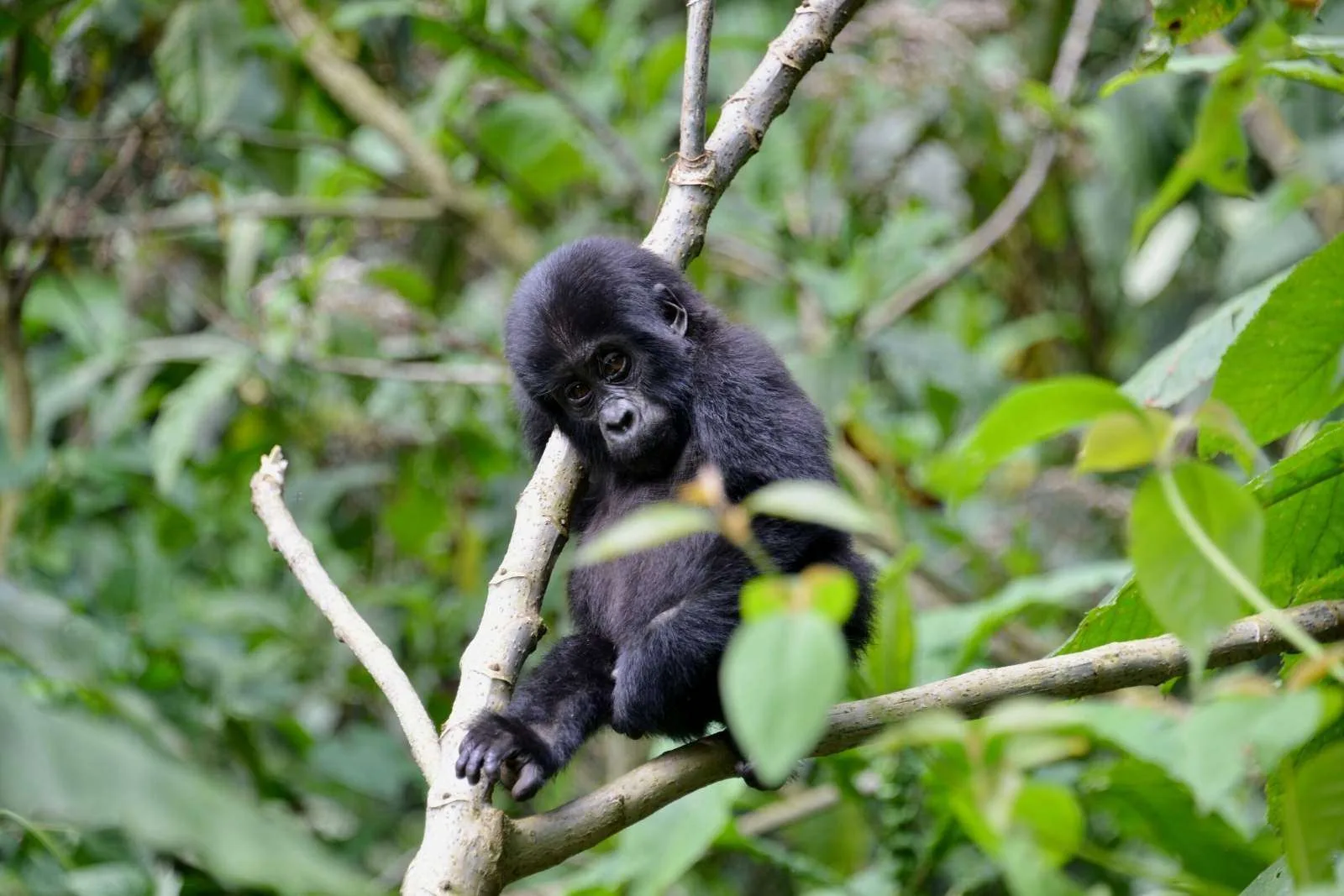
15 Days Uganda Primates and Culture Tour
15 Days Uganda Primates and Culture Tour This 15 Days Uganda Primates and Culture Tour is the most complete way
Before comparing countries, it is worth answering a bigger question first. Is East Africa the right region at all, or would Southern Africa serve you better?
East Africa is built around volume and drama. The Great Migration moves nearly two million wildebeest and zebra across the Serengeti and Masai Mara ecosystem every year, the mountain gorilla population is concentrated almost entirely in three countries here, and the open grassland habitats of Kenya and Tanzania make for some of the most reliable big cat viewing on the continent. Southern Africa, by comparison, tends to offer more self drive freedom, malaria free options in parts of South Africa, and a different rhythm built around waterholes rather than migration.
If your priority list includes seeing gorillas face to face, witnessing the migration crossing a river, or covering a huge amount of ground with genuinely world class density of wildlife in a relatively compact travel window, East Africa is very likely your region. If you are chasing a self drive road trip through South Africa’s Garden Route with a few days in Kruger tacked on, that is a different guide entirely, and we would tell you so honestly rather than sell you on something that does not fit.
Assuming East Africa is the right call, the next question is not which single country to pick, but which combination of experiences matters most to you. That is what the rest of this guide will help you work out.
15 Days Uganda Primates and Culture Tour This 15 Days Uganda Primates and Culture Tour is the most complete way
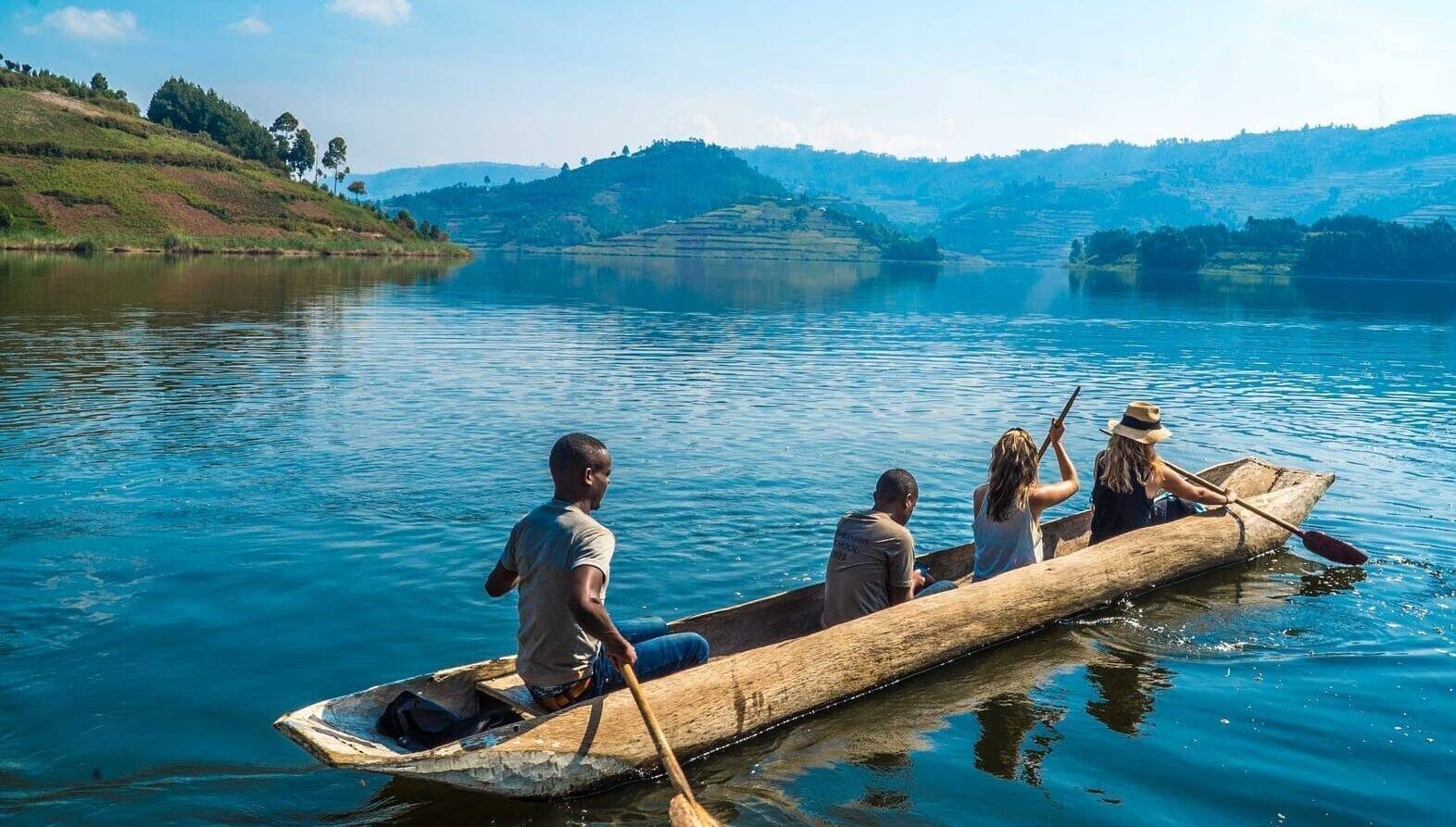
5 Days Rwanda & Uganda Gorilla Trek & Bisoke Hike This 5 Days Rwanda & Uganda Gorilla Trek & Bisoke
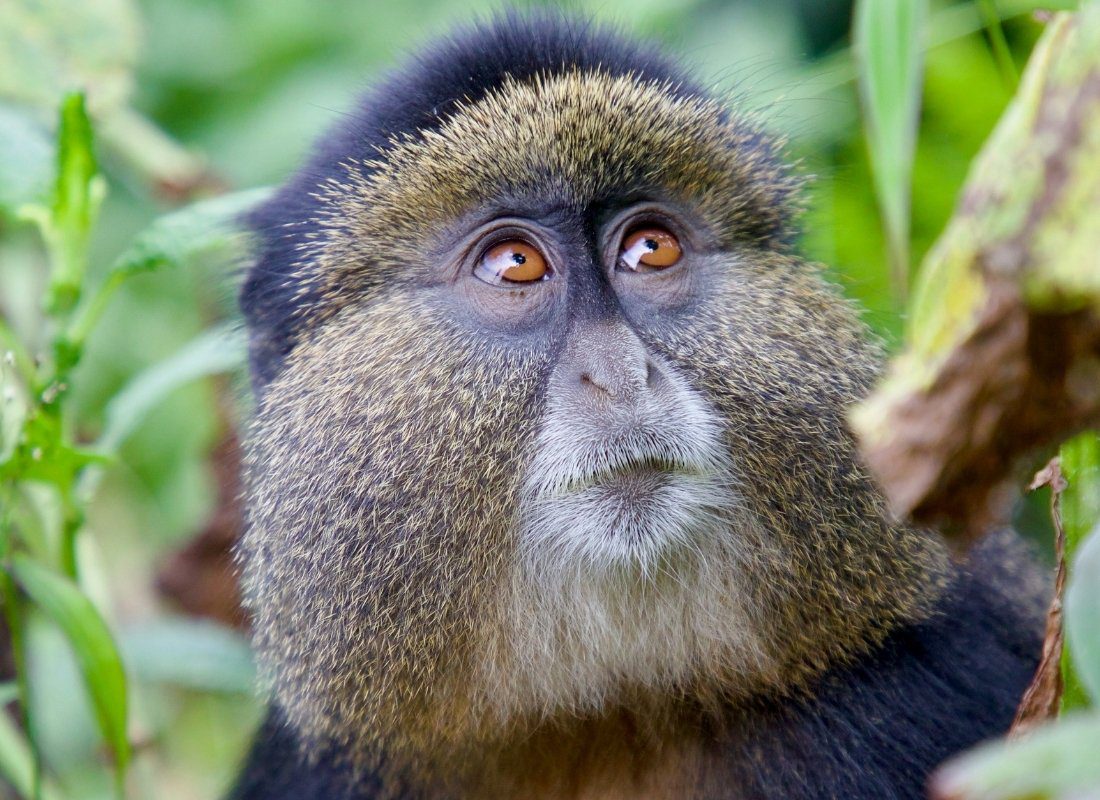
8 Days Rwanda & Uganda Wildlife Safari This eight-day safari starts in Kigali and ends in Kampala or Entebbe, giving

10 Days Masai Mara, Serengeti & Bwindi Gorilla Safari This 10 Days Masai Mara, Serengeti & Bwindi Gorilla Safari moves
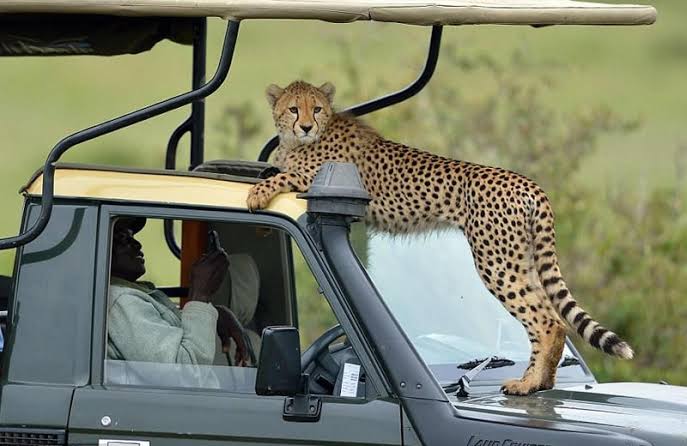
10 Days Kenya & Uganda Safari This ten-day safari combines Kenya’s Masai Mara and Lake Nakuru with a very different
17 Days Uganda, Rwanda & Congo Safari This 17 Days Uganda, Rwanda & Congo Safari is one of the most
Three things set this region apart from anywhere else on the safari map, and understanding them will shape every decision that follows.
The first is primate access. Mountain gorillas survive today in only three countries on earth: Uganda, Rwanda, and the Democratic Republic of Congo. Nowhere else can you trek to see them in the wild. Add chimpanzee tracking in Kibale Forest or Nyungwe, and East Africa becomes the only region where a single trip can combine classic savanna game drives with genuine primate encounters.
The second is the migration. While plenty of parks around Africa have healthy resident wildlife, nothing matches the scale of nearly two million animals moving in a continuous loop through the Serengeti and Masai Mara ecosystem, chasing rainfall and fresh grass. Watching this from a vehicle, or better still from a hot air balloon at sunrise, is a genuinely different experience from spotting a herd of a few hundred elsewhere.
The third is geographic compression. Kenya and Tanzania in particular pack an extraordinary range of habitat, from the crater floor of Ngorongoro to the open plains of the Mara to the Indian Ocean coastline, into travel distances that are manageable on a single trip. You can go from tracking lions on foot to snorkelling over a coral reef in the space of a week, something that would take considerably longer logistically in most other safari regions.
None of this means every country delivers every strength equally. That is exactly why the country by country breakdown below matters more than any generic “top destinations” list.
This is the section most people actually came here for, so let us be direct about what each country does best, who it suits, and where the honest trade offs sit.
Uganda is where gorilla trekking is most accessible and, for the moment, most affordable relative to Rwanda. Bwindi Impenetrable National Park holds the largest population of habituated gorilla families anywhere, spread across four trailheads, which gives operators genuine flexibility in matching trek difficulty to a client’s fitness level. Beyond gorillas, Uganda offers something few countries can claim: genuine habitat diversity within a single itinerary. Murchison Falls delivers classic savanna game viewing plus a dramatic waterfall and Nile boat cruise. Queen Elizabeth National Park adds tree climbing lions and crater lakes. Kibale Forest is the continent’s strongest chimpanzee tracking destination. Kidepo Valley, in the remote northeast, rewards travellers willing to go further off the beaten track with cheetah, ostrich and a wilderness feel that rivals anywhere in Africa.
The trade off is infrastructure. Roads between parks can be long and, outside peak areas, rougher than Kenya or Tanzania’s better developed circuits. Uganda rewards travellers who value substance and value for money over polish.
Rwanda has built a reputation, deliberately, around a smaller number of higher end experiences. Gorilla trekking here costs considerably more than Uganda, largely because Rwanda caps permit numbers to protect the gorillas and channels that premium into conservation and community development. In exchange, travellers get shorter transfer times (Volcanoes National Park is roughly two and a half hours from Kigali International Airport), well maintained roads, and a lodge portfolio at the very top end of what East Africa offers. Akagera National Park has been rehabilitated into a genuine Big Five destination, and Nyungwe Forest offers canopy walks and chimp tracking in one of the oldest rainforests in Africa.
Rwanda suits travellers with limited time who want gorilla trekking without long days on rough roads, and those who prioritise polish and ease over stretching a dollar as far as possible.
Kenya is, for many first time safari travellers, the country that shaped their mental image of what a safari looks like. The Masai Mara delivers extraordinary big cat density year round and hosts the most dramatic phase of the migration, the Mara River crossings, roughly from July through September. Amboseli offers some of the best elephant viewing on the continent with Kilimanjaro as a backdrop on clear mornings, and the Laikipia plateau adds rhino conservancies and horseback safari options that few other regions can match.
Kenya’s park network is generally well developed, with strong air access between regions, which makes multi park itineraries genuinely efficient. The trade off is that popularity has a cost. The Mara during peak crossing season can feel crowded at the most famous crossing points, and park fees have risen sharply in recent years, so budgeting with current figures rather than older blog posts matters here more than almost anywhere else in the region.
Tanzania offers the largest protected wilderness area in East Africa, and the Serengeti alone is roughly the size of Rwanda. The northern circuit, Serengeti, Ngorongoro Crater, Tarangire and Lake Manyara, delivers an extraordinary concentration of wildlife within a manageable driving loop, while the crater itself offers close to guaranteed Big Five sightings in a single day thanks to its closed ecosystem. For travellers wanting to escape the crowds entirely, Tanzania’s southern circuit, Ruaha and Nyerere (formerly Selous), offers genuine wilderness with a fraction of the vehicle density found up north.
Tanzania’s other major advantage is Zanzibar. No other East African safari country pairs its wildlife circuit with a beach extension this good, this close. A week of game drives followed by four or five days on Zanzibar’s coastline is one of the most requested combinations we build, and logistically it works cleanly because both experiences sit within Tanzania’s own domestic flight network.
Country | Signature Experience | Best For | General Cost Level |
Uganda | Gorilla and chimp trekking, habitat diversity | Value focused primate and wildlife combination trips | Moderate |
Rwanda | Premium, low volume gorilla trekking | Short trips prioritising comfort and ease | High |
Kenya | Migration river crossings, classic Mara game drives | First time safari travellers, big cat focused trips | Moderate to high |
Tanzania | Serengeti scale, Ngorongoro Crater, Zanzibar extension | Combining wildlife with a beach holiday | Moderate to high |
Many of our most satisfied clients do not pick just one. Uganda and Rwanda combine naturally for a primate focused trip. Kenya and Tanzania combine naturally around the migration, since the herds cross the shared ecosystem border depending on the month. A three or four country combination is possible but starts to demand more flight time and budget, so we generally recommend it only when a client has two weeks or more available.
Timing shapes almost every other decision in this guide, so it deserves careful treatment rather than a single blanket answer.
For classic game viewing across Kenya and Tanzania’s northern circuits, the long dry season from June through October is the most reliable window. Vegetation thins out, animals concentrate around remaining water sources, and roads are at their most passable. This is also when the Mara River crossings peak, generally July through September, making it the single best window for migration focused trips.
The migration itself moves in a predictable annual pattern, though exact timing shifts a little year to year with rainfall:
• January and February: the herds gather in the southern Serengeti around Ndutu and the Ngorongoro Conservation Area’s western plains for calving season, when up to half a million calves are born within a few short weeks.
• March and April: the long rains begin and the herds start moving northwest, dispersing across central and western Serengeti.
• May and June: the western corridor becomes the focus, with Grumeti River crossings building as the herd’s leading edge pushes toward the Mara River.
• July through September: peak crossing season at the Mara River, spanning both Tanzania’s northern Serengeti and Kenya’s Masai Mara, with August typically the statistical high point for crossing frequency.
• October through December: the short rains trigger the southward return, with herds dispersing back through central and western Serengeti toward the calving grounds.
Gorilla trekking runs year round in both Uganda and Rwanda, since it takes place in rainforest rather than open savanna, but the dry seasons, June through September and December through February, offer easier underfoot conditions on the trek itself. April, May and November fall in the rainy season and see fewer visitors, which is also when Uganda drops its gorilla permit price to encourage bookings.
The quieter green season, roughly November through May outside the short rains, has genuine advantages that many travellers overlook. Rates drop noticeably, newborn animals are common, migratory birds are present, and the light for photography is often considered superior to the dusty peak months. The trade off is that some roads become harder going, a handful of camps close for maintenance, and general game viewing in thick vegetation requires more patience. For photographers and travellers comfortable with a little unpredictability, this is often the better kept secret.
Safari costs vary more than almost any other type of travel, largely because the accommodation tier chosen has an outsized effect on the daily rate. As a general guide, expect the following per person per day, based on a shared double occupancy safari built around full board accommodation and included game drives, not permits or international flights.
Tier | Typical Daily Range (USD) | What It Looks Like |
Budget | 150 to 250 | Camping or simple lodges, shared group vehicles, guesthouse standard rooms |
Midrange | 300 to 550 | Comfortable tented camps or three to four star lodges, private or small group vehicles |
Luxury | 700 and up | High end tented camps and lodges, private guiding, premium locations inside conservancies or reserves |
On top of the daily accommodation and vehicle rate, three categories of cost need separate budgeting, and this is where trip plans most often go wrong when travellers work from outdated blog figures.
Gorilla and chimp permits are the single largest line item for primate focused itineraries. Permit prices and booking policies change periodically, so treat the figures below as a planning guide and confirm current rates before finalising a budget. As things currently stand, a Uganda gorilla permit runs around 800 US dollars, dropping to roughly 600 US dollars during the low season months of April, May and November. Rwanda’s permit sits considerably higher, around 1,500 US dollars, reflecting its low volume, high conservation investment model, with a further increase to roughly 1,800 US dollars confirmed to take effect from January 2027. Congo’s Virunga side offers the most affordable option at around 400 US dollars, though logistics and regional stability there require more careful planning. Uganda also now requires full payment at the time of booking rather than a provisional hold, so budgeting and booking need to happen together rather than in stages.
Park entrance and conservation fees are the second category, and Kenya illustrates why these matter. Masai Mara National Reserve now charges non resident adults on a seasonal tariff, roughly 100 US dollars per day from January through June and jumping to around 200 US dollars per day from July through December, precisely the months when demand and crossing activity peak. These figures shift regularly and should be verified against current park tariffs before booking. Similar seasonal or tiered structures apply across most major parks in the region, so a quote built on last year’s fee schedule can understate your real cost meaningfully.
The third category is often forgotten entirely: domestic flights between parks. Kenya and Tanzania in particular rely heavily on light aircraft to connect safari circuits efficiently, and these add up quickly on multi park itineraries, sometimes rivalling ground transport costs on shorter trips.
Where you sleep shapes the character of a safari as much as where you drive, and the options break down into a few clear categories.
Camping, whether public campsites or private mobile setups, sits at the most affordable end and suits travellers who want an immersive, back to nature feel and do not mind shared facilities. Budget lodges and guesthouses offer a private room with basic comfort, a solid choice for cost conscious travellers who still want a proper bed and ensuite bathroom.
Midrange tented camps and lodges are where most of our clients land, and for good reason. They typically offer ensuite tents or rooms with genuine character, good food, knowledgeable guiding, and locations inside or bordering the parks themselves, without the price tag of the top tier. This is the category where the value for money argument is strongest across Uganda, Kenya and Tanzania alike.
Luxury lodges and premium tented camps sit at the top, often located inside private conservancies rather than public reserves, which brings real advantages beyond thread count: off road driving, night drives, walking safaris and guaranteed low vehicle density, none of which are permitted in most public national parks or reserves. For travellers whose priority is an intimate, uncrowded wildlife experience rather than simply saving money, this tier earns its price.
Mobile tented safaris, where the camp itself moves to follow the migration or a specific itinerary, offer a genuinely different rhythm and appeal strongly to repeat safari travellers looking for something beyond a fixed lodge circuit.
Game drives remain the backbone of any safari, typically run at dawn and late afternoon when animals are most active and light is best for photography, but East Africa offers considerably more beyond the vehicle.
Gorilla and chimpanzee trekking are the region’s signature primate activities, involving a guided hike through rainforest that can range from under an hour to several hours depending on where the animals are that day. Walking safaris, available in parts of Uganda’s Kidepo and Kenya’s conservancies, put you on foot with an armed ranger, a completely different way to read the bush. Boat cruises along the Kazinga Channel or the Nile in Uganda add water based wildlife viewing, particularly strong for hippos, crocodiles and birdlife. Hot air balloon safaris over the Serengeti or Masai Mara at sunrise are, for many clients, the single most memorable few hours of an entire trip, offering a completely different perspective on the migration below. Cultural visits to Maasai, Batwa or local community programmes add context and connection beyond wildlife alone, when approached respectfully and through operators with genuine community relationships. Birdwatching across the region is genuinely world class, with East Africa hosting well over a thousand recorded species between its four core countries. For those extending to Zanzibar, snorkelling, diving and Stone Town’s historic old quarter round out a wildlife trip with a completely different pace at the end.
A few practical points make the difference between a smooth trip and a stressful one.
On timing, budget a minimum of three full days for a meaningful gorilla trekking trip in Uganda or Rwanda once travel days are included, and closer to seven to ten days for a single country wildlife focused safari that does the parks justice rather than rushing between them. Combination trips, Uganda plus Rwanda for primates, or Kenya plus Tanzania for the migration, generally need ten to fourteen days to avoid feeling like a checklist exercise.
On booking timing, gorilla permits for peak months, June through September and December through February, should be secured six to twelve months in advance, since Uganda and Rwanda both cap daily permit numbers strictly. Since Uganda now requires full payment at booking rather than a deposit, confirm your dates are genuinely fixed before committing funds.
On visas, most travellers to Kenya, Uganda and Rwanda can use the East Africa Tourist Visa, a single visa covering all three countries for multiple entries within existing validity, which is worth investigating if your itinerary crosses between them, since it can save both money and paperwork compared with three separate visa applications.
On combining countries, pay close attention to flight connections rather than driving distances. Kigali, Entebbe, Nairobi and Kilimanjaro or Dar es Salaam are connected by regional carriers, but schedules can be limited to a few flights a day on some routes, so building in a buffer day around any international connection avoids a missed gorilla trek or safari start because of a delayed flight.
No single itinerary suits everyone, so here is how we would point different travellers based on what actually matters to them.
First time safari travellers generally do best starting with Kenya or Tanzania’s northern circuit, where infrastructure is most developed and the classic Big Five experience is most reliably delivered without requiring advanced planning around permits.
Families with children benefit from Kenya’s conservancies or Tanzania’s northern circuit, both of which offer flexible, shorter game drives and lodges genuinely set up for younger travellers, whereas gorilla trekking has a minimum age of fifteen in both Uganda and Rwanda and is physically demanding.
Honeymooners and couples celebrating a milestone tend to gravitate toward Tanzania’s combination of the Serengeti or Ngorongoro with a Zanzibar beach finish, or Rwanda for a shorter, more polished trip that pairs naturally with a luxury lodge stay.
Photographers should weight the green season more heavily than most travellers, when light is softer and newborn wildlife is common, and should prioritise conservancies over public reserves for the off road access that serious photography usually requires.
Budget conscious and independent minded travellers will find Uganda offers the strongest value across the region, particularly for a primate and savanna combination trip, alongside Tanzania’s southern circuit for those willing to trade some infrastructure polish for considerably lower visitor density.
Repeat safari travellers and dedicated wildlife enthusiasts often find the greatest reward in Tanzania’s southern parks or Uganda’s Kidepo Valley, both offering a genuine wilderness feel that the busier northern circuits, however excellent, cannot match once you have already seen the classics.
Which East Africa country is best for a first safari?
Kenya and Tanzania’s northern circuits are generally the easiest entry point, thanks to well developed infrastructure, reliable Big Five viewing, and straightforward logistics. Uganda and Rwanda are excellent choices too, but suit travellers specifically drawn to gorilla trekking rather than those wanting the broadest introduction to safari in general.
How many days do I need for an East Africa safari?
A single country safari that does justice to two or three parks typically needs seven to ten days. Add three to four days for gorilla trekking if combining primates with a savanna safari, and factor an additional four to five days if extending to Zanzibar.
Is East Africa safe for travellers?
The core safari circuits across Kenya, Tanzania, Uganda and Rwanda see millions of visitors annually and maintain established tourism infrastructure with experienced guides and vetted operators. As with any international travel, standard precautions apply, and working with an operator who monitors regional conditions closely adds a meaningful layer of reassurance, particularly for itineraries that venture toward less visited border regions.
Can I combine gorilla trekking with the Serengeti migration in one trip?
Yes, though it requires careful planning around flight connections between Entebbe or Kigali and northern Tanzania, and generally needs twelve to fourteen days to avoid feeling rushed. It is one of the more ambitious combinations we build, but consistently one of the most rewarding.
What is the real difference between a Kenya safari and a Tanzania safari?
Kenya’s Masai Mara offers concentrated, easily accessible game viewing and hosts the most dramatic migration river crossings from July through September. Tanzania offers greater overall scale, the Ngorongoro Crater’s near guaranteed daily sightings, and the option to pair wildlife with a genuine beach extension on Zanzibar. Many of the animals and landscapes overlap, since both countries share the same migration ecosystem, so the choice often comes down to whether a beach finish matters to you and which side of the border the migration is on during your travel dates.
What is the best overall time of year to visit East Africa?
July through September delivers the most reliable game viewing and the Mara River crossings, making it the single best window if migration drama is your priority. For gorilla trekking specifically, June through September and December through February offer the easiest trekking conditions. For value and fewer crowds, the shoulder months of April, May and November are genuinely underrated.