Kampala City Guide: Kampala was originally built on seven hills, though it’s expanded far beyond that today, and each hill carries historical or cultural significance, from royal heritage to religious landmarks. For many travelers, Kampala functions purely as a starting or final point before heading to the parks, but treating it purely as a logistics stop misses a destination worth exploring in its own right, a city blending traditional African life with rapid modern development.
This guide covers the highlights: royal history, chaotic, fascinating markets, and a nightlife scene that has earned real recognition as one of East Africa’s best.
Kasubi Tombs
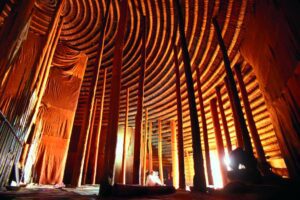
A UNESCO World Heritage Site, Kasubi Tombs serve as the burial ground of four Kabakas, kings of the Buganda Kingdom, housed within a sacred site featuring traditional thatched structures. The site is currently being rebuilt following a 2010 fire, and it remains essential for understanding Buganda’s royal history and its continued relevance within contemporary Ugandan culture.
Kabaka’s Palace and Mengo Hill
Also known as Lubiri, the Kabaka’s Palace on Mengo Hill remains the official residence of the King of Buganda, offering insight into the kingdom’s royal architecture and ongoing traditions. Nearby, historical torture chambers used during Idi Amin’s regime offer a sobering, important counterpoint to the palace’s ceremonial grandeur, a direct confrontation with a considerably darker chapter of Uganda’s political history.
Gaddafi National Mosque
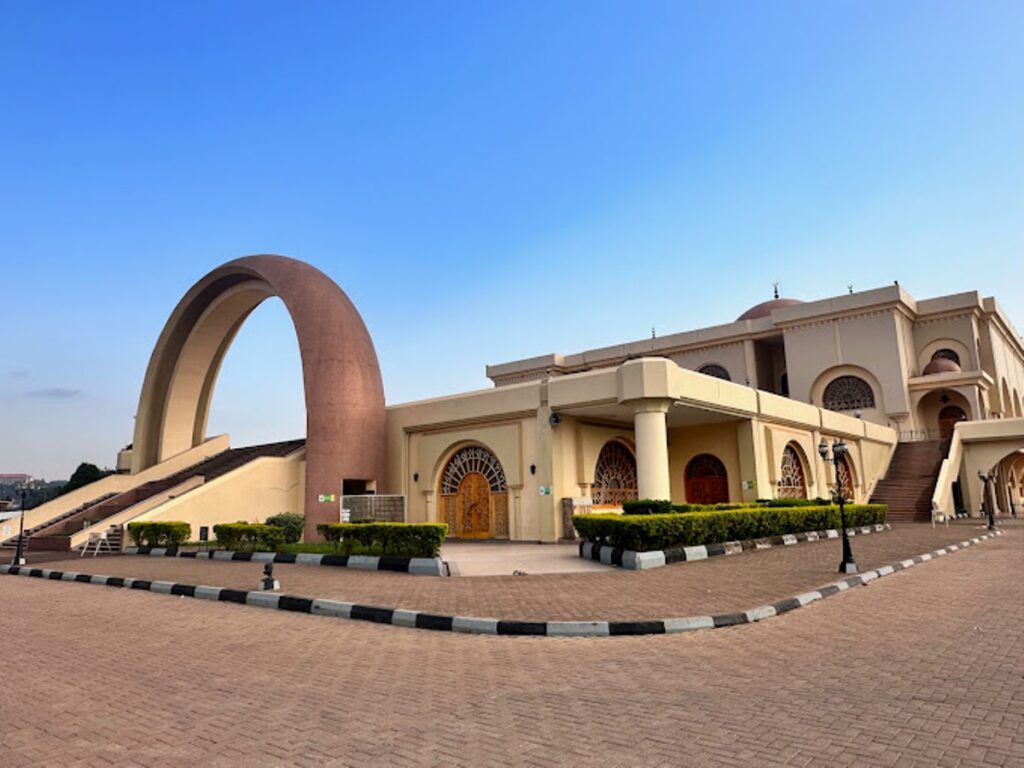
The largest mosque in East Africa, built on Old Kampala Hill, offers a spectacular minaret climb rewarding visitors with panoramic views across the entire city. Non-Muslims are welcome outside prayer times, and the mosque’s scale and position make it one of the single best vantage points for understanding Kampala’s seven-hills geography.
Owino Market: East Africa’s Largest
One of East Africa’s largest markets, Owino delivers a sensory overload: second-hand clothing (Uganda ranks among the largest buyers of secondhand clothing in Africa), fresh produce, household goods, electronics, fabrics, and street food all crowded into a chaotic, energetic space. It’s best explored with a local guide for easier navigation, and while disorienting for first-time visitors, most find it fascinating within twenty minutes of adjusting to the pace.
Uganda Museum
Uganda’s oldest museum covers ethnography, natural history, and traditional culture, featuring musical instruments, weapons, and archaeological exhibits—a worthwhile stop for travelers wanting broader historical and cultural context before heading out to the country’s national parks.
Uganda Martyrs Shrine
Commemorating Ugandan martyrs executed for their faith in the late nineteenth century, the shrine ranks among the most important religious pilgrimage sites anywhere in Africa, particularly significant during Martyrs Day celebrations, and offers insight into Uganda’s religious history and ongoing devotional culture.
Ndere Cultural Centre
The Ndere Cultural Centre offers structured, educational, and entertaining live performances of traditional music and dance from across Uganda, widely considered the best cultural night out in the city and a strong way to close a day of historical sightseeing with living cultural expression.
Where to Stay by Neighbourhood
Kololo offers upscale accommodation and a quieter atmosphere, while Kabalagala anchors the city’s nightlife epicenter with bars and expat hangouts. Nakasero functiserves as Kampala’s business heart, housing markets, offices, and the State House, while Kampala Road delivers CBD chaos, with, banks, and street vendors packed into a dense central corridor. Residential neighborhoods like Ntinda (family-friendly, with malls) and Bukoto (trendy cafés) offer further options depending on your preferred pace.
Kampala’s Legendary Nightlife
Kampala has earned a real reputation as one of East Africa‘s best nightlife cities, and that reputation is justified. The city doesn’t peak until midnight and keeps going until dawn on weekends, spanning rooftop cocktail bars in Kololo through to packed local dance halls in Kabalagala. Nile Special, Uganda’s most popular beer, a clean, slightly bitter lager, is cold, cheap, and available essentially everywhere, the social lubricant of the city’s nightlife scene.
Shopping Beyond the Markets
Beyond Owino’s chaos, Acacia Mall offers upscale international brands, while Arena Mall and Lugogo Mall (Garden City) provide further modern shopping options. For local souvenirs and crafts, dedicated craft markets throughout the city offer bark cloth products, wooden carvings, and locally roasted coffee at a more manageable, less overwhelming scale than Owino itself.
Getting Around
Boda bodas (motorcycle taxis) offer the quickest way through Kampala’s often heavy traffic, though negotiate fares clearly before departing and understand that accidents remain a leading cause of tourist injury in Uganda given traffic conditions. Ride-hailing apps, including Uber and Bolt, work reliably for a safer alternative, and special hire taxis offer a further, more traditional option for travelers preferring a standard car over a motorcycle.
A Suggested One-Day and Two-Day Itinerary
| Duration | Suggested Plan |
| One day (rushed) | Gaddafi Mosque minaret, one market (Nakasero or Owino), one historical site, evening at Ndere Cultural Centre |
| Two days (comfortable) | Day 1: Mosque, Kabaka’s Palace, market time. Day 2: Kasubi Tombs, Uganda Museum, evening for food and nightlife |
A Few Words of Luganda
Learning a handful of Luganda phrases, the local Buganda language, is appreciated by Kampala residents even at a basic level: “Wasuze otya nno” (good morning) and “Webale” (thank you) will earn smiles and reflect real cultural courtesy, however imperfect your pronunciation.
Safety Considerations
Kampala is generally safe for tourists who take reasonable, basic precautions. Petty theft and pickpocketing occur in crowded areas, particularly markets, and traffic represents the biggest daily risk given the city’s often chaotic road conditions. Avoiding walking alone at night in quiet, unfamiliar areas remains sensible standard advice consistent with any large city.
Day Trips From Kampala
For travelers with extra time before or after their main safari itinerary, Kampala serves as a convenient base for several worthwhile day trips: Jinja, roughly two hours away, offers white-water rafting and bungee jumping at the source of the Nile, while Ziwa Rhino Sanctuary, on the standard route toward Murchison Falls, provides a rewarding rhino-tracking stop for travelers wanting to combine a Kampala stay with a taste of wildlife viewing before heading further afield.
Practical Tips for First-Time Visitors
Carry small denominations of Ugandan shillings for markets and street vendors, since larger notes can be difficult to break in informal settings. Dress modestly when visiting religious sites specifically, and confirm your accommodation’s specific neighborhood matches your priorities, proximity to nightlife, quiet residential calm, or central walkability, before booking, since Kampala’s considerable size means the wrong location can add unwanted travel time to your daily plans.
Kampala’s Food Scene Beyond Street Food
Beyond the Rolex and other street-food staples, Kampala’s restaurant scene has developed considerable sophistication in recent years, spanning excellent Ethiopian, Indian, and Chinese dining alongside contemporary Ugandan restaurants reinterpreting traditional dishes for a more polished setting. Kololo and Kisementi in particular offer strong concentrations of quality dining options for travelers wanting a proper sit-down meal beyond the city’s more casual street-food culture.
Why Kampala Rewards an Extra Day
Travelers who allocate only a rushed half-day to Kampala before rushing onward to the parks often find themselves wishing they’d built in more time. The city’s combination of royal history, chaotic, fascinating markets, and legitimately excellent nightlife offers a considerably richer experience than its reputation as a mere transit point suggests, and a proper two-day stay, rather than treating Kampala purely as an overnight stop, rewards the additional time investment.
Frequently Asked Questions
How much time should I spend in Kampala?
One full day covers the headline sights if rushed, but two days is the comfortable minimum for properly exploring the mosque, palace, markets, museum, and a proper evening for nightlife and dining.
Is Owino Market worth visiting?
Yes, one of East Africa’s largest markets and an authentic slice of daily Ugandan urban life, though best explored with a local guide given its crowded, chaotic scale.
What is Kampala’s nightlife scene like?
excellent, one of East Africa’s best. The city peaks after midnight, spanning rooftop bars in Kololo to lively local dance halls in Kabalagala, running until dawn on weekends.
Which Kampala neighborhood should I stay in?
Kololo for upscale, quieter accommodation; Kabalagala for proximity to nightlife; Nakasero for central business-district convenience; Ntinda or Bukoto for a more residential, local feel.
Is it safe to use boda bodas (motorcycle taxis) in Kampala?
They’re the quickest way through traffic, but accidents are a leading cause of tourist injury in Uganda. Negotiate fares clearly, or use ride-hailing apps like Uber or Bolt for a safer alternative.