
Kibale National Park
Ultimate Primate Haven & Chimpanzee Tracking Kibale National Park has a unique claim in East Africa: 13 primate species share
The Uganda Wildlife Authority manages ten national parks, and each one protects a distinct ecosystem rather than offering a variation on the same savanna theme. Within a single, compact country, you can trek mountain gorillas through Afromontane rainforest, watch lions climb fig trees on open grassland, hike a glaciated peak locked in equatorial ice, and search papyrus swamp for a shoebill stork, often within the same week-long trip.
Ultimate Primate Haven & Chimpanzee Tracking Kibale National Park has a unique claim in East Africa: 13 primate species share
Trekking, Volcanoes & Batwa Culture Mgahinga Gorilla National Park covers just 33.7 square kilometres, making it Uganda’s smallest national park,

Complete Visitor & Trekking Guide Bwindi Impenetrable National Park sits in Uganda’s far southwest along the Albertine Rift, 331 square
This guide works through all ten parks individually, covering exact size, location, standout wildlife, and what a visit involves, so you can build an itinerary around the parks that actually match your interests rather than a generic checklist.
Bwindi Impenetrable National Park
Covering 331 square kilometres in Kanungu, Kabale, and Kisoro districts in Uganda’s far southwest, Bwindi is a UNESCO World Heritage Site and one of the most biodiverse forests anywhere in East Africa, holding over 400 plant species, 350 bird species including 23 Albertine Rift endemics, and roughly 120 mammal species. It shelters an estimated 47 percent of the world’s remaining mountain gorilla population, split across four trekking sectors, Buhoma, Ruhija, Rushaga, and Nkuringo, each with its own habituated families and its own character in terms of terrain difficulty and lodge options.
Gazetted in 1991 by combining three earlier protected areas, Bwindi sits roughly 414 kilometres from Kampala, a eight-to-ten-hour drive, though scheduled flights to nearby airstrips considerably shorten the journey. Beyond gorilla trekking, the park also offers golden monkey habituation research, forest birding, and community-run Batwa cultural experiences.
Queen Elizabeth National Park
At 1,978 to 2,056 square kilometres depending on the specific boundary cited, Queen Elizabeth ranks as Uganda’s most visited and most biodiverse single park, straddling the equator in the country’s west. Its claim to fame is the tree-climbing lions of the Ishasha sector, a behaviour found in very few other locations on the continent, alongside the Kazinga Channel, a 32-kilometre natural waterway connecting Lake Edward and Lake George where boat cruises regularly encounter hundreds of hippos and dense crocodile populations. The park’s bird list runs past 611 species, and the Kasenyi sector delivers the park’s most reliable classic game drives, lion, leopard, elephant, buffalo, and hyena among the regular sightings.
Located roughly 420 kilometres from Kampala via Mbarara, a five-to-six-hour drive, or reachable by charter flight to Kasese or Mweya airstrips, Queen Elizabeth rewards two to three days minimum to properly cover its different sectors, extending to four or five days for travelers wanting to add chimpanzee tracking in the park’s Kyambura Gorge.
Murchison Falls National Park
Uganda’s largest national park at roughly 3,840 to 3,893 square kilometres, Murchison Falls spans the country’s northwest, split into northern and southern sections by the Victoria Nile. Its namesake waterfall forces the entire river through a gap as narrow as seven metres before plunging into the gorge below, a spectacle best experienced via a combination of the launch cruise to the base and a hike to the top. The park holds four of the Big Five, rhino is absent from the park itself though nearby Ziwa Rhino Sanctuary fills that gap, alongside three-quarters of the world’s population of Rothschild’s giraffe and over 450 recorded bird species, including reliable shoebill sightings in the Nile Delta.
Gazetted in 1952, making it one of Uganda’s oldest parks alongside Queen Elizabeth, Murchison sits roughly three to four hours by road from Kampala or Entebbe, or under an hour by scheduled flight to Pakuba airstrip inside the park itself. A minimum of two to three days is generally recommended to properly cover the game drive, boat cruise, and falls hike without feeling rushed.
Kibale National Park
Covering somewhere between 370 and 795 square kilometres depending on the specific source, Kibale sits in western Uganda near Fort Portal and holds the highest density of primates found anywhere in Africa, 13 recorded species including an estimated 1,500 chimpanzees, the country’s largest population. Beyond chimpanzee trekking, Kibale ranks among the continent’s best birding sites, particularly for the elusive green-breasted pitta, and the neighbouring Bigodi Wetland Sanctuary adds red colobus monkeys and sitatunga antelope to a visit here.
Gazetted as a national park in 1993 (some sources cite 2006 for a boundary revision), Kibale sits roughly 290 to 326 kilometres from Kampala, a four-to-six-hour drive, and its position between Fort Portal and Queen Elizabeth National Park makes it a natural stop within a broader western Uganda circuit rather than a standalone destination.
Lake Mburo National Park
The smallest of Uganda’s savanna parks at roughly 370 square kilometres, Lake Mburo sits in western Uganda, close enough to Kampala and Entebbe, roughly 228 kilometres, to function as a short safari or a stopover en route to the country’s larger southwestern parks. Originally gazetted in 1933 as a controlled hunting area before later becoming a full national park, Lake Mburo is Uganda’s only park permitting walking safaris and horseback riding among wildlife, given its comparatively lower density of dangerous predators, alongside zebra, impala, eland, and buffalo populations and a strong boat cruise on the lake itself.
Kidepo Valley National Park
At roughly 1,430 to 1,442 square kilometres, Kidepo sits in the remote Karamoja region of Uganda’s far northeast, bordering Kenya and South Sudan, and delivers the country’s most authentic wilderness experience. Established in 1958, the park receives fewer than 5,000 visitors annually against Bwindi’s nearly 30,000 gorilla permits, and game drives here can run 30 kilometres without encountering another vehicle. Kidepo holds 77 recorded mammal species and 475 bird species, with cheetah, bat-eared fox, and ostrich among the species found nowhere else in Uganda’s park network, alongside the Kanangorok hot springs near the South Sudanese border.
Reaching Kidepo requires commitment: roughly 700 kilometres and ten to twelve hours by road from Kampala, or a considerably faster scheduled flight to Kidepo airstrip, recommended for most visitors given the distance. A minimum stay of three to four days is standard given the travel time involved, extending to five to seven days for a unhurried wilderness experience.
Mgahinga Gorilla National Park
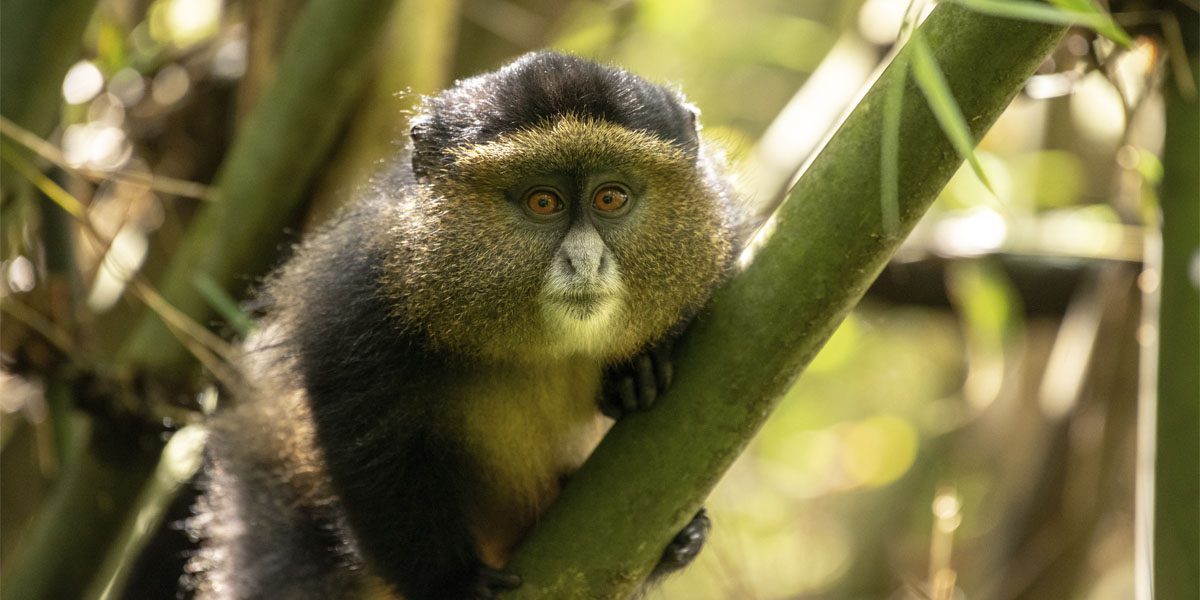
Uganda’s smallest national park at just 38 square kilometres, Mgahinga sits in the far southwest near Kisoro town, protecting the Ugandan portion of the Virunga Massif’s three volcanoes, Muhabura (4,127 metres), Gahinga (3,474 metres), and Sabyinyo (3,669 metres). It’s the only park in Uganda where both mountain gorillas and golden monkeys can be trekked within the same forest, home to the single habituated Nyakagezi gorilla family, alongside volcano hiking, cave exploration at Garama Cave, and Batwa community visits.
Gazetted in 1991, Mgahinga sits roughly eight to nine hours by road from Kampala or Entebbe, though its proximity to Kigali, roughly four to five hours through Rwanda, makes it a practical add-on for travelers combining both countries within one trip.
Mount Elgon National Park
Covering roughly 1,110 square kilometres in eastern Uganda near the Kenyan border, Mount Elgon protects an extinct volcano with the largest surface area of any extinct volcano on earth, and one of the largest calderas in the world. Established in 1992, the park centres on serious mountain hiking, the Sasa Trail climbing through bamboo forest and heather moorland to Wagagai Peak, alongside the considerably gentler Sipi Falls at the mountain’s foothills, three cascading waterfalls that function as a standalone attraction for travelers not attempting the full summit trek.
Rwenzori Mountains National Park
At roughly 995 square kilometres in western Uganda, the Rwenzori Mountains form a UNESCO World Heritage Site nicknamed the “Mountains of the Moon” for their snow-capped peaks despite sitting almost directly on the equator. Gazetted in 1991, the range holds Margherita Peak at 5,109 metres, Africa’s third-highest summit, reachable via a technical multi-day trek through five distinct vegetation zones requiring ropes, crampons, and proper cold-weather equipment for the final glacier crossing. This is mountaineering rather than standard wildlife safari, and it attracts a different traveler than Uganda’s savanna or forest parks.
Semuliki National Park
Uganda’s smallest forest park at roughly 220 square kilometres, Semuliki sits in the western rift valley near Fort Portal, extending the country’s borders into the Congo Basin and creating a biological corridor supporting species found nowhere else in East Africa. Established in 1993, the park protects East Africa’s only true lowland tropical rainforest, home to the Sempaya hot springs, both male and female formations, and a distinctive bird list including Congo-Guinea biome species like the Congo serpent eagle and white-crested hornbill, unlike anywhere else on the standard Uganda safari circuit.
Semuliki sits roughly 340 kilometres from Kampala via Fort Portal, about five hours, with a further 50 kilometres to Sempaya Gate, and road conditions can deteriorate during the wet season. Park entry here runs more affordable than the gorilla-trekking parks, and one to two days is generally sufficient for the park’s key attractions, extending to three or four for serious birders and botanists.
Uganda’s Parks by Ecosystem Type
Category | Parks | Core Activity |
Savanna | Queen Elizabeth, Murchison Falls, Lake Mburo, Kidepo Valley | Game drives, boat cruises |
Tropical Forest | Bwindi, Kibale, Semuliki, Mgahinga | Primate trekking on foot |
Montane/Mountain | Mount Elgon, Rwenzori Mountains | Multi-day hiking and mountaineering |
Quick-Reference Size and Distance Guide
Park | Approx. Size | Distance from Kampala |
Murchison Falls | 3,840-3,893 km² | 3-4 hours by road |
Queen Elizabeth | 1,978-2,056 km² | 5-6 hours by road |
Kidepo Valley | 1,430-1,442 km² | 10-12 hours by road (flight recommended) |
Mount Elgon | 1,110 km² | 4-5 hours by road (to Mbale/Kapchorwa) |
Rwenzori Mountains | 995 km² | 6-7 hours by road (via Kasese) |
Kibale | 370-795 km² | 4-6 hours by road |
Lake Mburo | 370 km² | 3-4 hours by road |
Bwindi Impenetrable | 331 km² | 8-10 hours by road |
Semuliki | 220 km² | 5 hours by road (plus 50km to gate) |
Mgahinga Gorilla | 38 km² | 8-9 hours by road |
Choosing Which Parks to Combine
Most well-designed Uganda itineraries combine two or three parks from different ecosystem categories rather than clustering similar experiences together. A classic first-timer route pairs Bwindi or Mgahinga for gorillas with Queen Elizabeth or Murchison Falls for savanna game viewing, adding Kibale if chimpanzee trekking is a priority. Travelers with more time and a taste for remoteness should consider Kidepo, while Mount Elgon or Rwenzori suit specifically those wanting a serious hiking component rather than standard wildlife viewing.
Entrance Fees Across the Parks
Park entrance fees vary by category rather than applying a single flat rate: Murchison Falls, Queen Elizabeth, Kibale, and Kidepo run roughly $40 to $45 per day for foreign non-residents, while Rwenzori, Semuliki, and Mount Elgon sit somewhat lower given their more specialized, hiking-focused visitor base. Gorilla and chimpanzee trekking carry entirely separate permit fees, $800 and $250 respectively as of 2026, on top of standard park entry.
Frequently Asked Questions
How many national parks does Uganda have?
Ten, managed by the Uganda Wildlife Authority: Bwindi Impenetrable, Queen Elizabeth, Murchison Falls, Kibale, Lake Mburo, Kidepo Valley, Mgahinga Gorilla, Mount Elgon, Rwenzori Mountains, and Semuliki.
Which is Uganda’s largest national park?
Murchison Falls National Park, covering roughly 3,840 to 3,893 square kilometres in the country’s northwest, making it considerably larger than any of Uganda’s other nine parks.
Which is Uganda’s smallest national park?
Mgahinga Gorilla National Park, at just 38 square kilometres, though it remains one of only two parks in the country where mountain gorillas can be trekked.
Which Uganda parks offer gorilla trekking?
Only two: Bwindi Impenetrable National Park, home to roughly 47% of the world’s mountain gorilla population, and the considerably smaller Mgahinga Gorilla National Park.
How many days should I spend visiting Uganda’s national parks?
It depends on which parks you combine, but a well-paced first trip covering two to three parks (for instance, gorilla trekking plus a savanna park) benefits from 7 to 10 days total, allowing 2-4 days per park depending on its size and activity list.