Mount Bisoke Trek
Mount Bisoke offers something Karisimbi’s two-day expedition doesn’t: an achievable single-day summit, complete with a striking crater lake at the top, making it the natural choice for travelers wanting a real volcano hiking experience without committing to an overnight camp at altitude.
This guide covers the honest, practical detail: current permit numbers, exactly what the trail involves, and a genuinely balanced assessment of whether the hike justifies its cost.
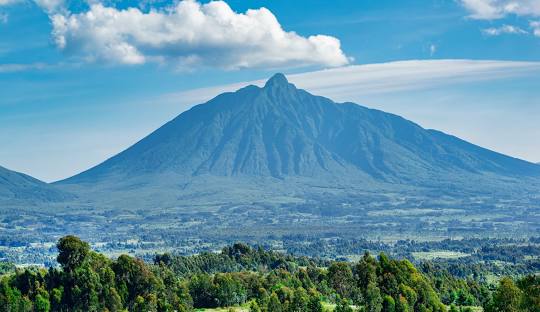
Also known as Visoke, Mount Bisoke straddles the border between Rwanda and the Democratic Republic of Congo, though its 3,711-metre summit and the majority of the mountain sit firmly on the Rwandan side, within Volcanoes National Park’s boundaries.
A 1957 Eruption Created the Lake You’re Climbing to See
Bisoke last erupted in 1957, and that eruption directly created the larger of its two summit crater lakes, the genuine centerpiece of the entire hike. The lake stretches nearly 400 metres wide, a striking body of water nestled within the volcanic caldera, reflecting the sky and surrounding peaks on clear days, and it’s this specific feature, rather than the climb itself, that draws most visitors to choose Bisoke over the park’s other, less scenically rewarding volcano options.
Permit Cost and Daily Limits
A Bisoke hiking permit costs $75 for foreign non-residents, $65 for foreign residents, $60 for East African Community residents, and $55 for Rwandan citizens, with the fee genuinely all-inclusive of park entry and a ranger guide for the full ascent and descent. Only 16 permits are issued per day, a genuinely limited daily capacity that means booking two weeks to two months ahead is necessary for most travel dates, particularly during peak season.
The Trek Itself
The hike begins with registration and a pre-hike briefing at Volcanoes National Park headquarters in Kinigi, followed by a roughly 40-minute drive to the trailhead at approximately 2,500 to 2,700 metres elevation. From there, the trail climbs through farmland and cultivated areas before entering the park boundary proper, passing through bamboo forest, hagenia woodland, and finally high-altitude alpine meadow as the vegetation thins and the air cools with increasing elevation.
The round trip takes six to eight hours by most accounts, though some sources cite a somewhat shorter five-to-seven-hour range depending on hiking pace and weather conditions, with the final approach to the summit genuinely steeper than the earlier sections, rewarding the effort with the crater lake view at the top.
A Genuine Chance of Wild Gorillas, at No Extra Cost
One of Bisoke’s most genuinely appealing features is the real, if unpredictable, possibility of encountering wild mountain gorillas moving through the forest along the trail itself, an experience that would otherwise cost $1,500 for a dedicated gorilla trekking permit.
Sightings aren’t guaranteed and shouldn’t be expected as a reliable outcome, but the genuine chance adds real value to the hike beyond the crater lake alone, and golden monkeys are considerably more reliably spotted in the lower forest zones along the route.
An Honest Assessment: Is It Worth the Cost?
Reviewed strictly as a standalone hiking experience, Bisoke is genuinely good rather than spectacular: the crater lake is worthwhile to see, and summit views are strong on clear days but weather-dependent, meaning cloud cover can meaningfully diminish the payoff on a less fortunate day.
At $75, some travelers reasonably question whether the hike alone justifies the price relative to other activities. The honest case for going anyway rests substantially on the genuine possibility of a wild gorilla sighting along the way, a chance worth taking specifically because the alternative, a dedicated gorilla permit, costs twenty times as much.
Porters and Practical Preparation
Hiring a porter, typically $10 to $20, is genuinely recommended given how steep and frequently muddy the trail becomes, particularly on the upper sections. Given the summit’s genuine cold and the trail’s mud, proper waterproof layers, sturdy hiking boots, and warm clothing for the top matter considerably here, and packing according to the same standards as any serious East African mountain trek is worthwhile despite Bisoke’s single-day, non-technical nature.
Comparing Bisoke to the Park’s Other Volcano Hikes
| Hike | Duration | Permit Cost | Key Feature |
| Mount Bisoke | 6-8 hours (single day) | $75 | Crater lake, chance of wild gorillas |
| Mount Karisimbi | 2 days (overnight camp) | $400 | Rwanda’s highest point, 5 vegetation zones |
| Mount Muhabura | Full day | $75 | Accessible via Volcanoes NP’s Rwandan side |
Where to Stay Before Your Hike
Given the early Kinigi briefing, most hikers stay overnight in Musanze or directly near the park headquarters the night before. Some travelers specifically choose budget camping options a short walk from Kinigi headquarters, genuinely convenient for an early morning start without the transfer time a Musanze-based hotel would require.
Best Time to Hike
The dry seasons, June through September and December through February, offer firmer trails and considerably better visibility for the summit crater lake and wider views. During the wetter months, the trail becomes genuinely slippery and cloud cover frequently obscures the summit payoff, a real trade-off worth weighing against the lower rates and quieter trails the wet season otherwise offers.
Combining Bisoke With Other Volcanoes National Park Activities
Given its single-day duration, Mount Bisoke pairs naturally with gorilla trekking or golden monkey tracking on adjacent days of the same trip, and several travelers specifically choose to hike Bisoke the day before their gorilla trek, treating it as a genuine acclimatization and fitness test ahead of the more significant, considerably more expensive activity to follow.
What to Expect at the Summit
Reaching the crater rim rewards hikers with a genuinely striking view down into the nearly 400-metre-wide lake, its surface reflecting the sky and surrounding peaks on clear days, alongside sweeping panoramic views across the wider Virunga range extending toward neighbouring Uganda and the Democratic Republic of Congo. Temperatures at the summit drop noticeably compared with the trailhead, and most hikers spend twenty to thirty minutes at the top before beginning the descent, weather and remaining daylight permitting.

Frequently Asked Questions
How long does the Mount Bisoke hike take?
Roughly six to eight hours round trip, making it a genuine single-day hike, considerably more accessible than Karisimbi’s two-day expedition.
How much does a Mount Bisoke permit cost?
$75 for foreign non-residents, all-inclusive of park entry and a ranger guide, though only 16 permits are issued daily, making advance booking genuinely necessary.
Can I actually see gorillas on the Mount Bisoke hike?
There’s a genuine, if unpredictable, chance of encountering wild gorillas moving through the forest along the trail, though sightings aren’t guaranteed and shouldn’t be the sole reason for choosing this hike.
Is Mount Bisoke worth the $75 cost?
As a pure hiking experience, opinions vary, good but not spectacular according to some honest reviews, though the possibility of a free gorilla sighting alongside the crater lake view makes most travelers conclude it’s genuinely worthwhile.
When did Mount Bisoke last erupt?
1957, an eruption that directly created the larger of the mountain’s two summit crater lakes, the genuine highlight most hikers climb specifically to see.