Visiting Genocide Memorials in Rwanda; In 1994, over approximately 100 days, between 800,000 and one million Tutsi and moderate Hutu Rwandans were murdered in one of history’s most concentrated acts of mass violence. The Kigali Genocide Memorial stands on the site of a mass grave holding more than 250,000 victims, and understanding what happened here and why the memorial exists in its current form matters very much for anyone visiting Rwanda for any reason, gorilla trekking, wildlife, or otherwise.
Visiting the memorial isn’t a tourism experience in the conventional sense. It’s an act of witness. This guide covers what a visit actually involves, how to approach it respectfully, and why it deeply deepens understanding of the country you’re traveling through.
What the Kigali Genocide Memorial Is
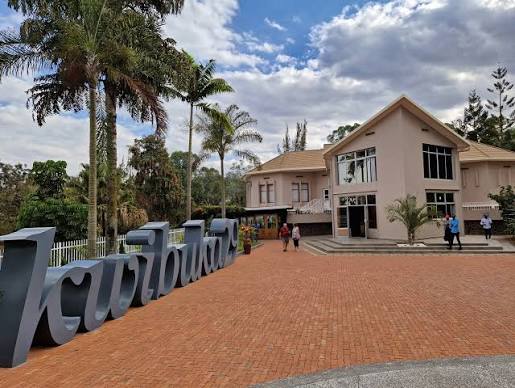
Located in Gisozi, roughly four kilometers from Kigali city center, the memorial serves Rwanda’s principal site of remembrance, education, and reconciliation for the 1994 genocide against the Tutsi. Opened in 2004 and managed by the Aegis Trust in partnership with the Rwanda Development Board, the memorial fulfills a dual role: it’s both a final resting place for victims and a documentation center preserving evidence and testimony, giving the site a character considerably closer to a living archive than a static museum.
What the Exhibitions Actually Cover
The exhibitions detail the genocide’s prelude, execution, and aftermath through curated rooms dedicated to specific themes: children, women, and the international community’s documented failure to intervene. The children’s room, displaying the stories and photographs of children killed during the genocide, is by far one of the most difficult and important spaces you’ll ever stand in, and past visitors consistently describe the personal stories, photographs, and testimonies as making the history heartbreakingly real rather than abstract or distant.
Beyond the exhibition halls, memorial gardens offer a very quiet space for reflection, and the Wall of Names, inscribed with thousands of victims’ identities, provides a specific, deeply personal focal point within the wider site.
The Flame of Remembrance
A permanent feature since the memorial’s 2004 inauguration, the Flame of Remembrance is lit each year on 7 April and burns for the full 100 days of genocide commemoration, running through to July. It symbolizes Rwanda’s collective resilience in leaving behind the darkness of genocide to build a brighter future together, a central theme running throughout the memorial’s broader purpose.
Practical Visiting Information
You can easily reach the memorial by taxi, private transfer, or guided city tour, and many half-day Kigali cultural itineraries include it. Visiting early in the morning offers a quieter, more reflective experience before school groups typically arrive, worth requesting specifically if you’re arranging your visit through a guide or operator.
Many operators recommend including a Kigali city orientation drive before the memorial visit itself, providing valuable historical context that meaningfully deepens understanding of what you’re about to see.
How to Approach the Visit Emotionally
This is not an easy visit, but it is only an important one. Rather than treating it as a single stop to check off before moving on to the next activity, taking time to sit with the experience afterward, rather than rushing directly into a subsequent itinerary item, ly honours both the weight of what you’ve witnessed and your own emotional processing of it. Most tour operators serving Rwanda build in deliberate buffer time following the memorial visit specifically for this reason.
Why This Visit Matters for Understanding Rwanda Today
Visiting the memorial helps explain considerably more about contemporary Rwanda than the history alone: the country’s striking cleanliness, order, and civic culture are widely understood, including by international observers, to connect directly to a collective national emphasis on rebuilding and social cohesion following 1994. Understanding this connection transforms a Rwanda safari from a purely wildlife-focused trip into a more complete understanding of the country and its people.
Beyond Kigali: Other Memorial Sites
While the Kigali Genocide Memorial serves as the country’s principal site, further memorial locations exist across Rwanda, including sites in Nyamata, Murambi, and Bisesero, each preserving specific local testimony from communities that suffered genocide violence directly. Travelers with particular interest in this history, or those specifically visiting regions like Karongi near Bisesero, may find it meaningful to visit these additional sites alongside the Kigali memorial.
The Ubumuntu Arts Festival and Ongoing Cultural Programming
The memorial’s 1,200-capacity amphitheatre, opened in 2014 with support from the UK, Netherlands, Japan, and South Korea, hosts commemorations, workshops, dance, music, theatre, and temporary exhibitions throughout the year, alongside a long-standing relationship with the annual Ubumuntu Arts Festival. This ongoing cultural programming reflects the memorial’s living role in Rwanda’s national life, well beyond a static historical exhibit.
International Recognition and Educational Role
The Kigali Genocide Memorial hosts UNESCO-partnered educational programs, positioning it as a global center for genocide prevention education, and travel and culture reporting from major international outlets consistently point to the memorial as an essential context-setting experience for anyone exploring Rwanda’s wildlife parks, coffee-growing regions, or rapidly modernizing capital.
A Note on Photography and Respect
Photography policies vary by specific area within the memorial and should be confirmed with staff on arrival, given the solemn, sensitive nature of much of the site. Modest, quiet, respectful behavior throughout the visit reflects the profound weight of what the memorial represents, and engagingly with the exhibitions and testimony, rather than moving through quickly, honors both the victims and the country’s ongoing reconciliation effort.
Preparing Emotionally Before Your Visit
Many travelers find it very helpful to read a brief overview of Rwanda’s history before arriving at the memorial, rather than encountering the full weight of this history entirely without context. Allowing a full morning or afternoon for the visit, rather than scheduling it as a brief stop between other activities, gives you the space needed to process what you’re seeing without feeling rushed toward the next item on your itinerary.
How the Memorial Connects to Rwanda’s Broader Reconciliation Journey
Understanding the memorial as part of a long-lasting national process, rather than a closed historical chapter, adds real depth to the visit. Rwanda’s broader reconciliation efforts, including community-level justice processes and continued national dialogue, represent a still-unfolding story of a country actively working through profound trauma toward unity, and the memorial serves as both a permanent record of what happened and a living testament to that ongoing work.
Visiting With Children or Teenagers
Families considering bringing children or teenagers should discuss the visit’s content directly with their guide or operator beforehand, given the difficult material covered, particularly within the children’s room. Many families find that an age-appropriate conversation about Rwanda’s history before the visit, rather than encountering the memorial’s content entirely without preparation, helps younger travelers process what they’re about to see with appropriate context and support.
Combining the Memorial With Rwanda’s Wider Story
Many travelers find value in pairing the memorial visit with time spent elsewhere in the country witnessing Rwanda’s remarkable contemporary transformation, its cleanliness, safety, thriving arts scene, and rapidly developing economy.
Understanding both halves of this story together, the tragedy of 1994 and the equally resilient and progressive aftermath, offers a considerably fuller, more honest picture of the country than either half alone could provide.
Frequently Asked Questions
How many people were killed during the 1994 genocide against the Tutsi?
Between approximately 800,000 and one million Tutsi and moderate Hutu Rwandans were killed over roughly 100 days, one of history’s most concentrated acts of mass violence.
How far is the Kigali Genocide Memorial from the city center?
Roughly four kilometers, located in Gisozi, easily accessible by taxi, private transfer, or guided city tour, and commonly included in half-day Kigali cultural itineraries.
Is the Kigali Genocide Memorial appropriate for children?
The children’s room specifically covers difficult, sensitive material. Families should discuss age-appropriateness directly with their guide or operator before visiting with younger children.
What is the best time of day to visit for a quieter experience?
Early morning, before school groups typically arrive, offers a more reflective, less crowded visit.
Are there other genocide memorial sites in Rwanda beyond Kigali?
Yes, including sites in Nyamata, Murambi, and Bisesero, each preserving specific local testimony from communities affected directly by the genocide, worth considering for travelers with particular interest in this history.