Kigali City Guide: Most visitors use Kigali purely as a gateway to Rwanda’s famous gorilla trekking in Volcanoes National Park, but spending two to four days here reveals a dynamic city worth exploring on its own terms. Kigali stands out for its remarkable cleanliness; single-use plastic bags have been banned nationwide since 2008; its safety and organised urban planning consistently rank it among Africa’s cleanest and most welcoming capitals.
The city combines sobering historical sites with lively markets, a thriving contemporary art scene, excellent coffee culture, and panoramic hilltop views, making it a real, worthwhile introduction to Rwanda’s broader transformation rather than simply a transit point between the airport and the gorillas.
Umuganda: The Monthly Ritual Behind Kigali’s Cleanliness
Kigali’s reputation as Africa’s cleanest city stems partly from Umuganda, a monthly community cleaning initiative embedded in Rwandan civic life, where citizens participate in mandatory community service and cleanup each month. This tradition, alongside the nationwide plastic bag ban, reflects a broader national emphasis on collective rebuilding and social cohesion, and visitors notice the results the moment they step outside: locals sweep streets that already gleam.
Kigali Genocide Memorial
No visit to Kigali is complete without time at the Genocide Memorial in Gisozi, Rwanda’s principal site of remembrance for the 1994 genocide against the Tutsi. This is one of the most impactful experiences a trip to Rwanda offers, and the memorial’s children’s room in particular lingers with visitors for days afterward. This isn’t a light stop, but it’s an essential one for understanding both Rwanda’s past and its remarkable present-day resilience.
Nyamirambo Neighborhood
One of Kigali’s most vibrant, colorful areas, Nyamirambo offers grassroots urban energy considerably different from the city’s more polished central districts. The Nyamirambo Women’s Center runs a worthwhile guided walking tour, introducing visitors to local women entrepreneurs, small businesses, street art, and everyday community life, a considerably more authentic, community-rooted experience than a typical tourist-focused city tour.
Kimironko Market
Kigali’s largest and busiest market delivers a sensory explosion: fresh produce, vibrant fabrics, spices, second-hand clothing, and local snacks, best visited in the morning when the market’s energy peaks. Bargaining politely is part of the experience, and Kimironko remains the top choice for authentic souvenirs, woven baskets, hand-carved masks, and bead jewelry among them.
Kigali’s Thriving Art Scene
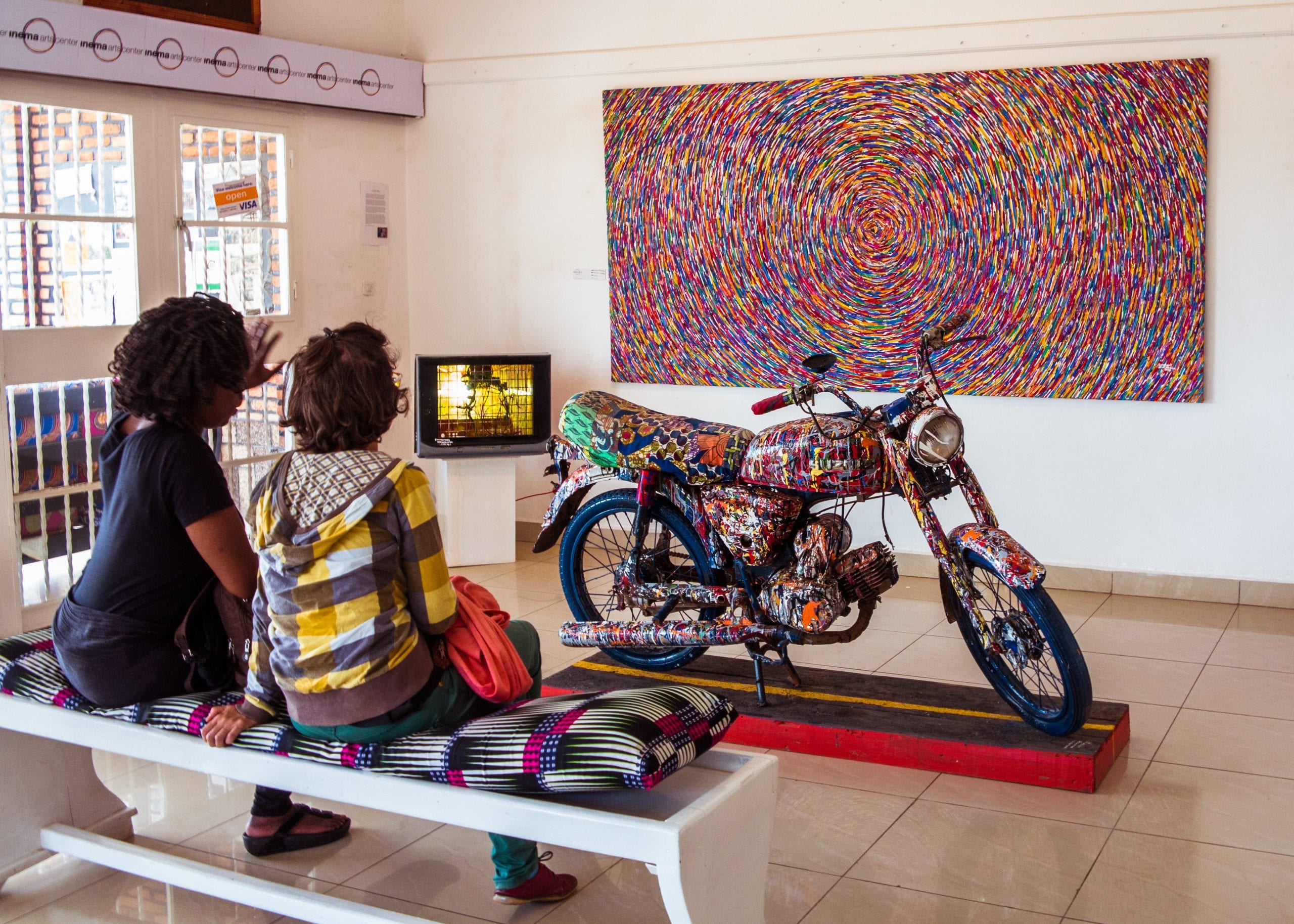
Inema Arts Centre, a contemporary Rwandan gallery and active workshop space, offers insight into the country’s growing creative economy, with pieces starting around 80,000 Rwandan francs (roughly $65) purchased by collectors who ship them internationally. Niyo Art Gallery, featuring striking modern pieces with a rooftop view, and the Rwanda Art Museum, offering rotating exhibitions in a beautiful setting, round out a city arts scene considerably more developed than most first-time visitors expect.
Hiking Mount Kigali
A moderate one-to-two-hour hike, or a straightforward drive for travelers preferring not to walk, leads to Mount Kigali’s summit, rewarding visitors with sweeping panoramic views across the city and surrounding hills, the same rolling green landscape that earns Rwanda its “Land of a Thousand Hills” nickname.
Coffee Culture
Rwanda’s coffee industry has developed real international recognition, and Kigali’s café scene reflects this directly, with artisan coffee shops throughout the city offering excellent, locally sourced beans. Spending a slow morning enjoying Rwandan coffee before an afternoon of exploration and an evening watching sunset from a hilltop captures the relaxed pace that distinguishes Kigali from many other African capitals.
Dining and Local Cuisine
Kigali’s culinary scene has grown into one of East Africa’s strongest food destinations, blending international dining with authentic Rwandan cuisine. Popular restaurants include Heaven Restaurant, Repub Lounge, and Meze Fresh, though authentic local flavor is equally, sometimes more, findable in Nyamirambo, where the same modest budget buys goat brochettes and plantains from a vendor who’s tended the same charcoal stove for decades.
Nightlife
Kigali’s nightlife draws both locals and visitors, with rooftop bars like Khana Khazana Sky Lounge and clubs including Envy Nightclub offering live music, DJs, and social energy. Given the country’s high safety standards, exploring the city’s evening scene generally poses considerably fewer concerns than in many comparable African capitals.
Where to Stay by Neighbourhood
Central Kigali offers the most walkable option, close to markets, shops, and the Genocide Memorial, with vibrant nightlife but correspondingly higher accommodation costs. Kimihurura carries an expat feel, is walkable with strong café and restaurant options, and is somewhat quieter at night but still offers good dining. Nyamirambo delivers the most authentic, community-rooted atmosphere for travelers wanting local immersion over polished convenience.
Getting Around
Motorcycle taxis (motos) and ride-hailing apps offer the simplest, most affordable transportation throughout the city, and walking remains enjoyable in many neighborhoods, though Kigali’s hills mean some routes involve real elevation change worth factoring into your plans, particularly in the heat of the day.
Understanding “Rwandan Time”
worth knowing before your trip: Kigali runs on its own relaxed relationship with punctuality; taxis and appointments occasionally arrive later than scheduled, met with warm hospitality rather than any sense of urgency. Building patience and flexibility into your expectations, rather than treating minor delays as frustrations, considerably smooths the overall experience.
Safety
Rwanda consistently ranks among Africa’s safest destinations, with low crime rates compared with many global cities, and Kigali specifically prioritizes security through strict law enforcement, community policing, and well-organized urban planning. Visitors can comfortably explore on foot, use ride-hailing apps, or enjoy the city’s nightlife without major safety concerns, a distinguishing advantage relative to many comparably sized capital cities worldwide.
How Much Time to Budget
Two to four days allows a proper introduction to Kigali beyond the Genocide Memorial alone, covering Nyamirambo’s community energy, Kimironko’s market chaos, the city’s art scene, and a Mount Kigali hike, before continuing onward to Volcanoes National Park or the wider Rwanda circuit. For travelers with more limited time, a focused two-hour city tour still delivers panoramic views and a solid introduction to how Kigali became one of Africa’s cleanest, safest, and fastest-growing capitals.
Day Trips From Kigali
For travelers with extra time before heading to Volcanoes National Park or Nyungwe Forest, Lake Kivu offers a relaxing day trip, roughly two to three hours by road, with boat excursions and lakeside relaxation providing a natural, restful complement to Kigali’s more urban energy. The Kigali Innovation City project, part of the country’s growing technology sector, also offers a worthwhile stop for travelers interested in Rwanda’s rapid modernization beyond the more traditional tourism circuit.

A Worthwhile Bookend to Your Rwanda Trip
Whether at the start or end of a gorilla trekking itinerary, building time into Kigali rather than treating it purely as an airport transfer point rewards travelers with a considerably fuller understanding of Rwanda as a whole, its history, its remarkable transformation, and the warmth of its people, beyond the wildlife encounters that likely anchor the rest of your trip.
Kigali’s Growing International Recognition
Kigali has increasingly hosted major international conferences and events in recent years, reflecting its growing reputation as a capable, well-organized destination beyond pure tourism. This growing profile has driven considerable investment in the city’s hospitality infrastructure, meaning travelers today find a wider range of quality accommodation and dining options than existed even a few years prior.
A Final Practical Note on Currency and Payments
US dollars are widely accepted for larger payments, including hotels and tours throughout Kigali, though carrying Rwandan francs for markets, taxis, and smaller everyday purchases smooths daily transactions. ATMs are readily available throughout the city’s central districts, and mobile money payment options, increasingly common across Rwanda’s broader economy, offer a further, convenient payment method many local vendors now accept alongside traditional cash.
Frequently Asked Questions
Why is Kigali considered one of Africa’s cleanest cities?
A combination of the nationwide plastic bag ban since 2008 and Umuganda, a monthly mandatory community cleaning initiative embedded in Rwandan civic life.
How many days should I spend in Kigali?
Two to four days allows a proper introduction beyond the Genocide Memorial, covering Nyamirambo, Kimironko Market, the art scene, and a Mount Kigali hike, though even a focused two-hour tour delivers a solid overview.
Is Kigali safe to explore on foot?
Yes, Rwanda consistently ranks among Africa’s safest destinations, and Kigali specifically prioritizes security through strict law enforcement and community policing, allowing comfortable exploration on foot or via ride-hailing apps.
What is the Nyamirambo Women’s Center walking tour?
A guided tour through Kigali’s vibrant Nyamirambo neighborhood, introducing visitors to local women entrepreneurs, small businesses, and street art, offering community immersion beyond typical tourist sightseeing.
What does ‘Rwandan time’ mean for visitors?
A relaxed relationship with punctuality; taxis or appointments may run somewhat late, met with warm hospitality rather than urgency. Building patience into your expectations smooths the overall experience considerably.