Ultimate East Africa Birdwatching Guide for Beginners: Uganda holds over 1,000 recorded bird species, more than the entire continent of Europe, and more per square kilometer than almost any other country in Africa, including Kenya.
This extraordinary density stems from Uganda’s position within the Albertine Rift, the continent’s most biologically diverse region, where East African savanna, Central African rainforest, and mountain ecosystems all converge within a compact geography. This guide covers exactly where to start, what to expect, and how to plan a first birding trip without needing prior expertise.
For many travelers, a trip specifically to see the shoebill stork becomes the starting point of a lifelong interest in African birdwatching, and understanding the region’s key destinations and seasonal timing helps ensure that first trip delivers memorable results.
The Shoebill Stork: The Bird Most Travelers Come For
The shoebill’s prehistoric appearance and distinctive, enormous shoe-shaped bill make it Uganda’s rarest and most sought-after bird, and Mabamba Swamp, just west of Entebbe on Lake Victoria’s northern shore, remains the world’s most reliable place to see it, with success rates often exceeding 80 percent. Visitors board traditional canoes to navigate the swamp’s shallow papyrus channels, and while the shoebill is often assumed to live exclusively within the papyrus itself, it’s more commonly found in the lower vegetation between papyrus groves.
Murchison Falls National Park offers a further, excellent shoebill opportunity along the Nile Delta, letting travelers combine classic big-game safari viewing and lion or elephant sightings in the morning with elite birding along the delta in the afternoon, a rare combination within a single park.
Bwindi Impenetrable Forest: Albertine Rift Endemics
Beyond its fame for gorilla trekking, Bwindi shelters over 350 recorded bird species, including 23 Albertine Rift endemics found nowhere else on earth. This makes Bwindi a worthwhile birding destination in its own right, and travelers combining gorilla trekking with dedicated birding walks get considerably more value from their visit than focusing purely on primates alone.
Rwanda’s Underrated Birding Scene
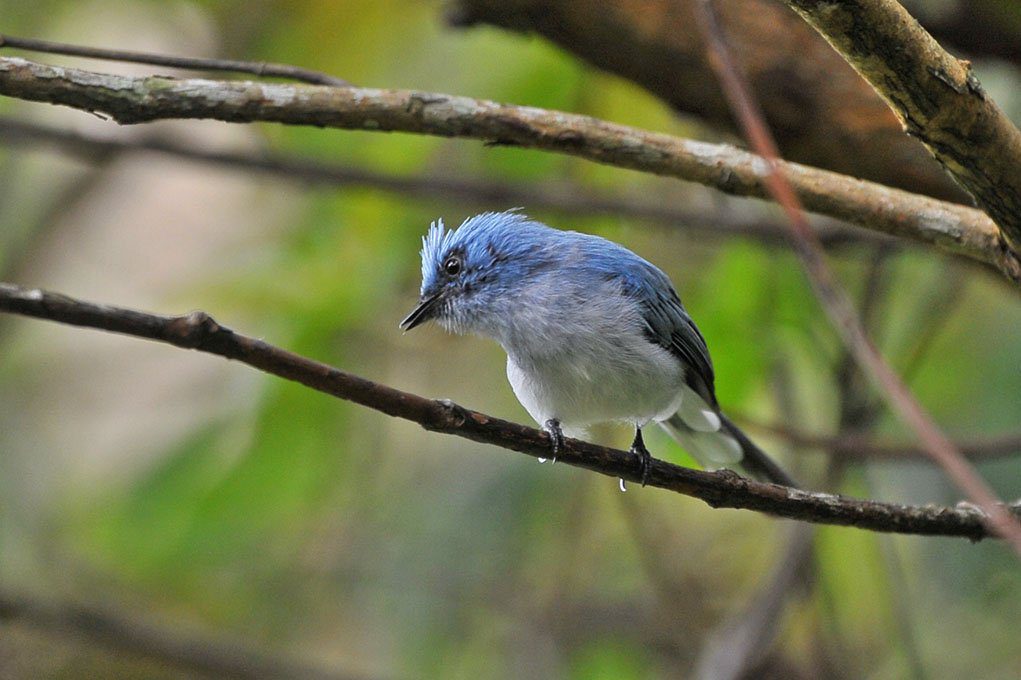
Rwanda punches above its size as a birding destination. While most visitors travel to Volcanoes National Park specifically for gorilla trekking, dedicated birders are better advised to prioritize Nyungwe Forest and Akagera National Park for a winning combination of forest and savanna species. Nyungwe harbors over 300 recorded species, including the striking Rwenzori Turaco and numerous further Albertine Rift endemics, while Akagera delivers classic savanna birding alongside papyrus-dwelling specialists, including the Papyrus Gonolek and, here too, the shoebill.
An Inspiring Local Guiding Story
Uganda’s professional birding guide profession has been shaped significantly by pioneers, including Judith Mirembe, founding chairperson of the Uganda Women Birders Club, established in 2013 specifically to open professional bird guiding to women across the country in a field that had previously been almost exclusively male-dominated. The club grew from a handful of enthusiasts into a nationally recognized organization that has trained dozens of women as professional guides, inspiring sister organizations including Kenya Women Birders and Rwanda Women Birders, and earning international recognition from publications including Audubon Magazine.
What a Beginner Should Actually Bring
A decent pair of binoculars, ideally 8×42 magnification, matters more than any other single piece of equipment for a first birding trip, since spotting distant or well-camouflaged species without proper optics leads to considerable frustration. A field guide specific to East African birds, either printed or via a reliable app, helps with identification, and a notebook for recording sightings, even simple notes rather than a formal life list, enhances the experience for first-timers discovering how quickly species accumulate.
Working With a Specialist Guide
A specialist birding guide, hired on top of standard safari rates, typically costs around $70 to $100 per day, and the difference in sighting quality between a general safari guide and a dedicated birding specialist is considerable, particularly for identifying calls and locating well-camouflaged forest species that a non-specialist guide would likely miss entirely. For beginners specifically, this investment pays off in both the number and quality of species identified across a trip.
Best Time to Go Birding
Birding remains rewarding year-round given the region’s mild tropical climate, though the dry seasons, December through February and June through September, offer firmer forest trails, clearer visibility for photography, and the most comfortable physical conditions for extended birding walks. These months also align conveniently with peak gorilla trekking season, letting travelers combine both activities within the same trip window for efficient planning.
The wetter seasons, March through May and October through November, bring something different and, for dedicated listers specifically, often more valuable: migratory species arrive during these windows, adding variety to an already rich resident bird population.
A Sample First-Timer Itinerary
| Days | Location | Focus |
| 1 | Entebbe (arrival) | Botanical Gardens, easy introductory birding |
| 2 | Mabamba Swamp | Shoebill stork by canoe |
| 3-4 | Kibale/Bwindi region | Albertine Rift endemics, forest species |
| 5-6 | Queen Elizabeth NP | Kazinga Channel waterbirds, savanna species |
Combining Birding With Gorilla Trekking
For travelers already planning a gorilla trekking trip, adding one or two dedicated birding days maximizes the overall value of the journey, given how much rich birdlife exists within the same forests and wetlands you’re already visiting for primates.
Bwindi’s Buhoma sector specifically offers rustic lodges with open-air verandas overlooking canopies filled with birdlife, letting guests relax and bird more structured trekking activities.
Beyond the Shoebill: Species Beginners Should Watch For
Uganda’s colorful bee-eaters, striking turacos, and varied kingfisher species offer accessible, visually rewarding sightings for beginners still developing their identification skills, alongside rarer forest endemics and wetland specialists for travelers wanting to push their list further.
The Blue-headed Sunbird, with its kaleidoscope of blue, purple, and yellow feathers, and Sharpe’s Pipit rank among the region’s other memorable species worth specifically watching for.
Combining Birding With Other Wildlife Activities
For travelers not wanting to commit an entire trip purely to birding, most East Africa itineraries allow for birding as a complementary activity woven throughout, rather than requiring a dedicated, standalone birding-only trip. Boat cruises on the Kazinga Channel, Lake Ihema, or the Nile Delta deliver strong waterbird viewing alongside classic game-viewing wildlife, meaning even travelers primarily focused on Big Five safaris or gorilla trekking will encounter meaningful birdlife without any additional dedicated time investment.
Building Your Own Life List
For beginners inspired by their first East Africa birding experience, starting a simple life list, a personal record of species identified and where you saw them, adds long-term value to the hobby beyond a single trip. Many birders find that returning to East Africa specifically to chase species missed on a first visit becomes an ongoing motivation for repeat travel to the region.
Birding Apps and Digital Tools
Beyond a printed field guide, several useful smartphone apps support East African birding, offering offline species databases, call recordings for identification, and location-based sighting logs. Downloading these tools before departure, rather than relying on connectivity in remote forest or wetland areas, ensures they’re usable throughout your trip regardless of signal availability.
Why Birding Guides Matter for Beginners Specifically
For a first-timer, the difference a skilled guide makes goes beyond simply spotting more birds; experienced guides teach identification technique, explain behavior and habitat relationships, and help beginners develop pattern recognition skills that carry forward into future independent birding. This educational dimension, alongside the practical benefit of expert spotting, is precisely why investing in a specialist guide for at least part of a first trip pays dividends for anyone hoping birding becomes an ongoing interest rather than a single-trip novelty.
Frequently Asked Questions
Where is the best place to see a shoebill stork in Uganda?
Mabamba Swamp, just west of Entebbe on Lake Victoria’s northern shore, offers the world’s most reliable shoebill sightings, with success rates often exceeding 80 percent via traditional canoe tours.
Do I need prior birding experience to enjoy an East Africa birding trip?
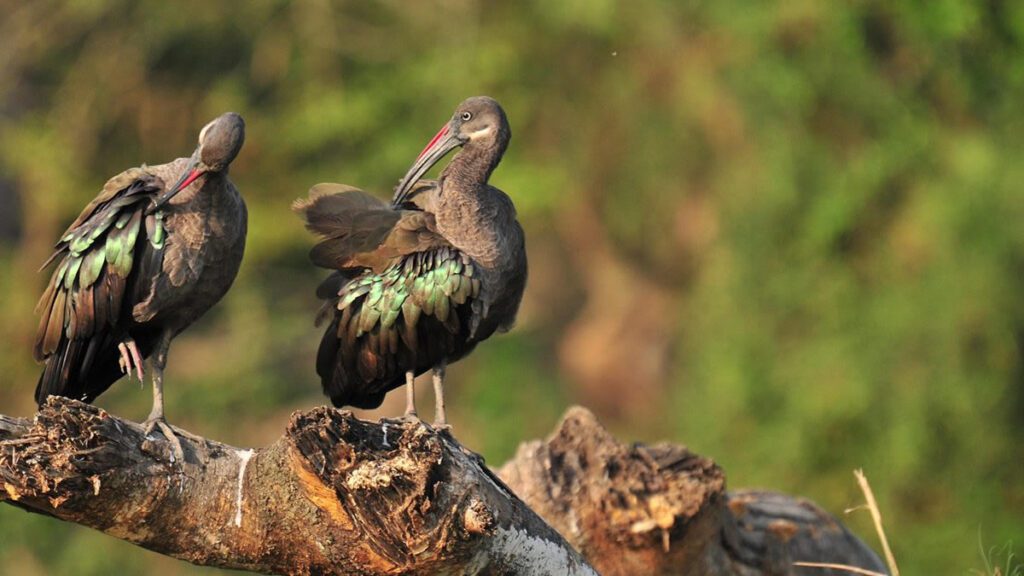
No, beginner-friendly. A specialist guide, decent binoculars, and a basic field guide are all a first-timer needs to have a rewarding introduction to the region’s birdlife.
How many bird species does Uganda have?
Over 1,000 recorded species, more than the entire continent of Europe, reflecting Uganda’s position within the Albertine Rift, the most biologically diverse region on the African continent.
Which Rwanda park is best for birding beyond Volcanoes National Park?
Nyungwe Forest and Akagera National Park offer stronger dedicated birding than Volcanoes, combining over 300 forest species, including Albertine Rift endemics with classic savanna and papyrus-dwelling specialists.
How much does hiring a specialist birding guide cost?
Approximately $70 to $100 per day on top of standard safari rates, a worthwhile investment given the considerable difference in sighting quality compared with a general safari guide.