Food & Dining in Uganda and Rwanda: Local Dishes to Try
Food & Dining in Uganda and Rwanda: Uganda and Rwanda’s cuisines share deep common roots, matoke, beans, and grilled meats appear on tables across both countries, yet each nation carries a distinct culinary character shaped by its own history and geography. This guide covers the dishes worth seeking out, what they cost, and where to find them, from roadside stalls to Kigali’s most celebrated local buffets.
Both cuisines rest on shared pillars: hearty, slow-cooked stews built on beans, leafy greens, and local spices, alongside a emphasis on communal dining and seasonal, affordable ingredients that sustain both everyday meals and special occasions alike.
Matoke:
Matoke, steamed green bananas peeled, wrapped in banana leaves, and cooked until soft and mashable, originated in Uganda, where it remains the national dish, but has become an integral part of Rwandan cuisine too, carried across the border by Ugandan traders and thriving in Kigali’s own soil. Served with groundnut sauce, meat, or beans, matoke offers a comforting, filling introduction to the region’s food culture and appears on nearly every local menu in both countries.
Brochettes:
Skewers of goat, beef, pork, or fish grilled over charcoal, brochettes rank among the most beloved dishes across both countries, typically served with fried plantains or potatoes and a sharp, spicy pepper sauce. In Kigali specifically, most bars grill them to order for roughly 800 to 1,500 Rwandan francs (about $0.70 to $1.30) per skewer, an affordable, satisfying street-food experience found on nearly every corner. Brochettes carry particular cultural weight in Rwanda, now crowning celebrations from weddings to funerals despite their origin tracing back to Belgian colonial influence.
Isombe:
Made from cassava leaves boiled, mashed, and cooked with tomatoes, onions, and often peanuts, isombe stands as one of Rwanda’s most traditional and widely eaten dishes, typically served alongside rice, plantains, or beans. Its rich, slightly nutty flavour and cultural significance make it one of the single most representative dishes for travelers wanting to understand Rwandan home cooking specifically.
Luwombo:
A traditional Ugandan preparation where meat, fish, or chicken is stewed with vegetables and spices, then wrapped in banana leaves and slow-cooked, luwombo delivers a distinctive flavor from the banana leaves themselves, making it a must-try for visitors seeking authentic, celebration-worthy Ugandan cuisine beyond everyday staples.
The Rolex:
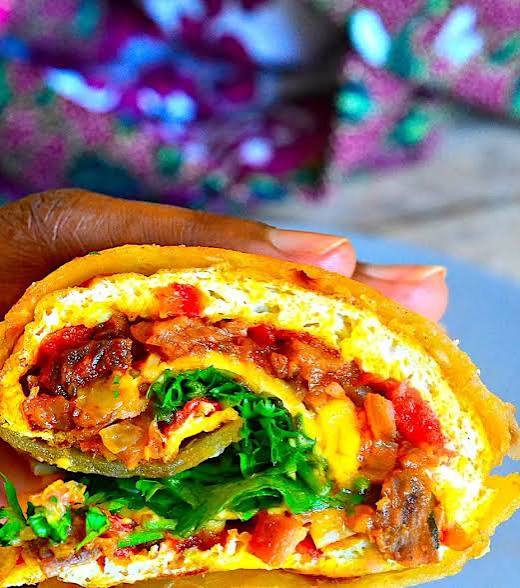
Short for “rolled eggs,” the Rolex is a chapati rolled around an omelet and vegetables, a quick, affordable snack found across the country and beloved equally by locals and tourists. It’s become something of an unofficial national food symbol, worth trying from a roadside stall for an authentic, low-cost taste of everyday Ugandan life.
Igitoke and the Feast-Day Whole Chicken
Rwandan feast-day cooking centres on the igitoke, meaning simply “pot” in Kinyarwanda, a dish where a whole chicken is simmered bone-in with tomatoes, onions, and enough pili-pili chili to give real heat, the sauce reducing to a glossy red coating over slow cooking. Every family owns their own igitoke pot for feast days, and recipes shift meaningfully by household, though the tradition of keeping the bird whole rather than portioned remains consistent across Rwanda.
Sambaza:
Tiny fried fish harvested from Lake Kivu, sambaza are eaten crisp and whole as snacks or starters, a distinctive regional specialty tied directly to Rwanda’s lake ecosystem and a worthwhile addition to any meal near the Lake Kivu region specifically.
Further Dishes Worth Seeking Out
Ugali (known locally as ubugali in Rwanda), a firm maize porridge, anchors most meals across both countries and is eaten alongside stews or grilled meats. Ibihaza, a hearty mix of pumpkin and beans sometimes enriched with meat, reflects the region’s agricultural roots, while akabenz, grilled pork cubes served at casual neighborhood bars, functions as a popular, social street food throughout Kigali specifically. Mandazi, lightly sweet fried dough, rounds out the region’s breakfast and snack offerings, and urwagwa, traditional banana beer with a sweet, fermented flavor, offers a distinctive local beverage worth sampling.
What a Meal Actually Costs
Rwanda’s food scene runs budget-friendly: expect roughly $2 to $4 for a local meal at an ibiryamo (a buffet-style local canteen), and $10 to $25 at mid-range restaurants. Street food runs even lower, samosas, chapati, meatballs, and brochettes typically cost 100 to 1,500 Rwandan francs (about $0.10 to $1.30) each, particularly around Kigali’s Nyamirambo and Kimironko neighbourhoods, making street-food exploration a low-cost way to sample the local cuisine broadly.
Where to Eat in Kigali
Local buffets, where isombe, matoke, ubugali, ibihaza, and grilled meats all appear on a single plate for a flat, all-you-can-eat price, offer the best introduction to Rwandan home-cooking style. Hotel des Mille Collines hosts a well-loved garden buffet lunch that locals still rate among the city’s most reliable spreads, while Kigali’s different neighborhoods each offer their own distinct character: Kiyovu and Nyarutarama for more upscale dining, Kimihurura for modern cafés, and local residential areas for the most authentic Rwandan meals.
Dietary Considerations
Travelers with dietary restrictions will find flexibility: umutsima, isombe, matoke, and most grilled meats are naturally gluten-free, and the region’s strong reliance on beans, cassava, and plantains means vegetarian options are generally available at most local eateries, worth confirming directly by simply asking for plates without meat or sauce.
Quick-Reference Dish Guide
| Dish | Country | What It Is |
| Matoke | Uganda (also Rwanda) | Steamed, mashed green bananas |
| Brochettes | Both | Grilled meat skewers with pepper sauce |
| Isombe | Rwanda | Cassava leaf stew with peanuts |
| Luwombo | Uganda | Banana-leaf-wrapped stewed meat |
| Rolex | Uganda | Chapati rolled with omelet |
| Igitoke (whole chicken) | Rwanda | Feast-day pili-pili chicken stew |
| Sambaza | Rwanda (Lake Kivu) | Tiny fried whole fish |
Drinks Worth Trying Beyond Urwagwa
Beyond traditional banana beer, both countries offer excellent local beers, Uganda’s Nile Special and Bell Lager, and Rwanda’s Primus and Mützig, widely available, cold, and inexpensive throughout restaurants and bars in both countries. Rwandan and Ugandan coffee, both increasingly recognized internationally for quality, offer a considerably more refined beverage experience, and sampling a proper cupping session at a coffee-focused café or plantation tour rewards coffee enthusiasts with real insight into the beans’ full flavour range.
Food Safety Tips for Travelers
Sticking to bottled or properly filtered water, eating at busy local establishments where high turnover suggests fresh preparation, and being cautious with raw, unpeeled produce from street vendors all reduce food-related health risks. That said, both countries’ street food and local restaurant scenes are widely enjoyed by travelers without incident when reasonable, common-sense precautions are followed.
Cooking Classes and Culinary Experiences
For travelers wanting to engage with the region’s food culture beyond simply eating, several lodges and community organizations in both countries now offer hands-on cooking classes, walking guests through the preparation of matoke, isombe, or a proper Rwandan coffee cupping session. These experiences typically run two to three hours and offer insight into the techniques and ingredients that shape everyday meals, a considerably deeper engagement than a standard restaurant visit alone provides.
Market Visits as a Food Experience
Beyond dedicated restaurants, visiting a local market specifically to see the fresh produce, spices, and ingredients that underpin the region’s cuisine adds context to any meal eaten afterward. Kigali’s Kimironko Market and Kampala’s Nakasero Market both offer excellent fresh produce sections alongside their broader craft and clothing stalls, and even a brief walk through either deepens appreciation for the seasonal, local ingredients that define everyday cooking in both countries.
Frequently Asked Questions
What is Uganda’s national dish?
Matoke, steamed and mashed green bananas, typically served with groundnut sauce, meat, or beans, remains Uganda’s national dish and a staple in homes across the country.
What is Rwanda’s most traditional dish?
Isombe, a cassava leaf stew cooked with tomatoes, onions, and often peanuts, stands as one of Rwanda’s most traditional and widely eaten dishes.
How much does street food cost in Rwanda?
affordable: samosas, chapati, meatballs, and brochettes typically cost 100 to 1,500 Rwandan francs (about $0.10 to $1.30) each, particularly in Kigali’s Nyamirambo and Kimironko neighborhoods.
What is a Rolex in Uganda?
A popular street snack, short for ‘rolled eggs’: a chapati rolled around an omelet and vegetables, quick, affordable, and found across the country.
Is vegetarian food easy to find in Uganda and Rwanda?
Yes, . Both countries’ cuisines rely heavily on beans, cassava, and plantains, and most local eateries can prepare meals without meat or specific sauces upon request.