Gisakura Tea Estate
Gisakura offers a striking visual contrast unlike anywhere else on a standard Nyungwe itinerary: meticulously ordered rows of tea bushes running directly up against the wild, untamed edge of one of Africa’s oldest rainforests. This guide covers the estate’s real agricultural history, dating to 1952, what a tour actually involves, and why troops of colobus monkeys have made this working plantation an unexpected wildlife-viewing spot in its own right.
Situated on the western fringes of Nyungwe Forest National Park in Rwanda’s Western Province, Gisakura ranks among the country’s most celebrated tea plantations, and its elevated, cool, volcanic-soil setting gives it ideal growing conditions found in few other locations.
A History Rooted in 1950s Rwanda
Tea cultivation in Rwanda traces its origins to the early twentieth century, when German missionaries first introduced tea plants to the country, though commercial-scale tea growing began only in 1952, with Gisakura specifically established that same year given the area’s favorable volcanic soil and climate. Tea has since grown into one of Rwanda’s largest export industries, and Gisakura remains among the most celebrated, and certainly among the most beautiful, of the country’s tea plantations, a genuine agricultural success story visitors can witness directly.
Why Gisakura’s Location Matters
The estate’s position at elevated altitude, with regular rainfall and rich volcanic soil, creates precisely the growing conditions high-quality tea requires, and its direct proximity to Nyungwe Forest reinforces this further. The same cool, moist climate that sustains the ancient rainforest next door also happens to produce excellent tea.
This isn’t coincidental: the forest and the plantation share a genuine ecological relationship, with Nyungwe’s climate regulation directly benefiting the surrounding agricultural land.
What a Tour Actually Involves
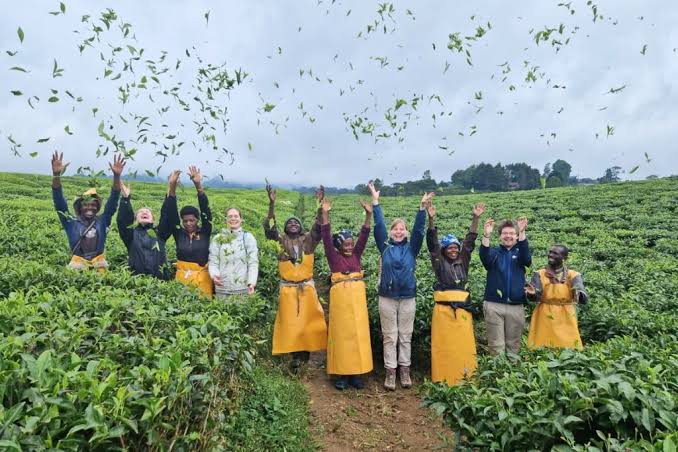
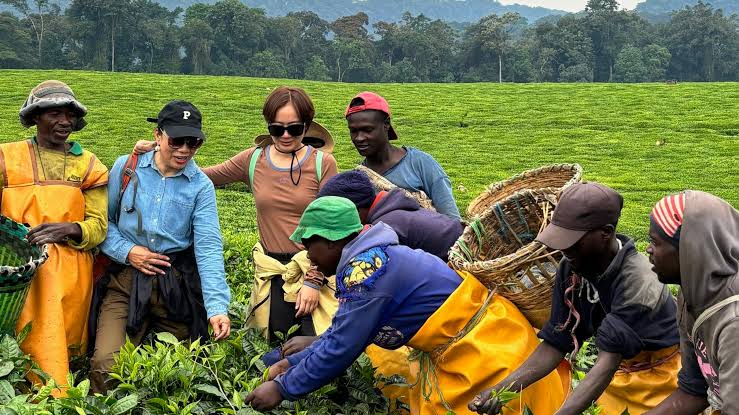
Guided tours typically walk visitors directly through the tea fields, allowing genuine interaction with local harvesters as they pluck the finest “two leaves and a bud,” the traditional standard for premium tea harvesting, before continuing to the estate’s factory floor for a detailed explanation of the fermentation, drying, and grading stages that transform raw leaves into finished tea.
The full experience typically concludes with a proper tea-tasting or cupping session, letting visitors sample the estate’s finished product directly.
Tours are typically best scheduled for morning or afternoon, when farmers are actively working the fields during the coolest hours of the day, giving visitors a active, engaged view of the harvest rather than a quiet, empty plantation.
The Resident Colobus Monkeys
One of Gisakura’s most unexpected features is its resident population of black-and-white colobus monkeys, living within a patch of forest directly bordering the plantation and reliably sighted by visitors feeding and moving through the trees at the field’s edge.
This gives Gisakura a genuine wildlife-viewing dimension beyond its agricultural focus, effectively delivering a taste of Nyungwe’s primate life without requiring a dedicated forest trek.
A Second Tea Estate: Gisovu
Nyungwe’s northern edge holds a further, comparably celebrated tea estate, Gisovu, its shimmering fields and winding pathways sitting directly against the forest boundary in a similarly striking contrast.
Gisovu offers both day tours and, unlike Gisakura, on-site accommodation, along with mountain biking through the estate grounds for travelers wanting a more active complement to the standard walking tour and tasting.
Accommodation Near Gisakura
Gisakura itself currently offers no on-site accommodation, though genuine guesthouse options sit just a short walk or drive away, making an overnight stay near the estate entirely feasible for travelers wanting to combine a tea tour with an early-morning start on Nyungwe’s forest trails the following day.
Combining Gisakura With Nyungwe’s Core Activities
Given its position directly on Nyungwe’s western fringe, Gisakura pairs naturally with the park’s headline activities, chimpanzee trekking, the canopy walkway, and dedicated colobus and birding excursions, making it a worthwhile half-day addition rather than a separate destination requiring its own dedicated trip.
Many travelers build in a Gisakura visit specifically as a lower-exertion complement to a more physically demanding forest trek earlier or later the same day.
Supporting the Local Community
The estate provides employment for hundreds of local workers involved in picking, processing, and packaging tea, and choosing to visit and purchase tea directly contributes to sustainable local livelihoods in a region that depends heavily on agriculture. This genuine community dimension gives a Gisakura visit tangible economic value.
eyond the tour experience itself.
Getting There
Gisakura sits close to Nyungwe Forest National Park’s western boundary, convenient for travelers already staying in the area for chimpanzee trekking or the canopy walkway, with a reliable 4×4 vehicle recommended given the region’s winding, hilly roads.
Best Time to Visit
Tea harvesting continues throughout the year given Rwanda’s consistent equatorial climate, though scheduling your visit for morning or early afternoon delivers the strongest experience, catching workers actively harvesting during the coolest part of the day rather than a quieter, less active plantation later in the afternoon.
How Rwanda’s Tea Industry Fits Into the Wider Economy
Tea has grown into one of Rwanda’s most important export earners, contributing significantly to the country’s foreign exchange revenue alongside coffee, and estates like Gisakura sit at the center of this broader economic story. Understanding this national context, rather than viewing the plantation purely as a scenic backdrop, gives visitors a deeper appreciation for what they’re witnessing during a tour.
What to Bring
Comfortable, closed walking shoes suited to occasionally muddy field paths; sun protection given the plantation’s open, exposed rows; and a light rain jacket given Nyungwe’s unpredictable highland weather all make for sensible additions to a Gisakura visit, alongside cash for purchasing tea directly from the estate shop, a worthwhile souvenir and direct way to support the local operation.
Frequently Asked Questions
When was tea first grown at Gisakura?
Commercial tea cultivation began in 1952, following earlier introduction by German missionaries in the early twentieth century, with Gisakura specifically chosen for its favorable volcanic soil and climate.
Can I see wildlife at Gisakura Tea Estate?
Yes, . Troops of black-and-white colobus monkeys live in forest patches bordering the plantation and are reliably sighted feeding and moving through the trees at the field’s edge.
Is there accommodation at Gisakura Tea Estate itself?
No, but guesthouses sit just a short walk or drive away, making an overnight stay near the estate entirely feasible.
How does Gisakura compare to Gisovu, Nyungwe’s other tea estate?
Gisovu sits on the park’s northern edge and offers on-site accommodation and mountain biking, while Gisakura, on the western fringe, is generally considered the more famous and among the most beautiful of Rwanda’s tea plantations.
What does a Gisakura tea tour typically include?
A walk through the tea fields with local harvesters, a factory tour explaining fermentation, drying, and grading, and a concluding tea-tasting or cupping session.