Musanze Caves
Musanze Caves carry a weight beyond their geological novelty: this two-kilometer volcanic lava tunnel has sheltered Rwandans through centuries of conflict, most significantly and painfully as a refuge for Tutsis during the 1994 genocide. This guide covers both dimensions honestly, the caves’ ancient volcanic origin and their considerably more recent human history, alongside the practical detail of what a guided tour actually involves.
Located roughly 22 kilometers from Musanze town in Rwanda’s Northern Province, near Volcanoes National Park, the caves opened officially to tourism between 2013 and 2014 under the Rwanda Development Board and today rank among the country’s most accessible and popular volcanic cave systems.
An Ancient Volcanic Origin
The Musanze Caves formed roughly 65 million years ago, the result of lava flows from the neighboring Virunga volcanoes, with basaltic layers from eruptions of Mount Bisoke and Mount Sabyinyo specifically believed to be instrumental in their creation.
As the molten lava cooled and hardened, it left behind an extensive network of underground tunnels, chambers, and passages, part of a broader system that includes over 52 documented caves scattered across Rwanda’s Northern Province, with more than 32 specifically clustered around the foothills of Volcanoes National Park.
The cave system stretches approximately two kilometers (1.25 miles) in total length, with more than 30 natural entrances created by roof collapses over the millennia, and it ranks among the most explored and accessible of Rwanda’s many volcanic caves, though the country’s longest cave system, Ubuvumo Bwibihonga, featuring numerous parallel lava tubes, extends considerably further.
A Refuge Through Centuries of Rwandan History
Beyond their geological significance, the Musanze Caves hold weighty cultural and historical importance to the Rwandan people.
During the era of Rwanda’s traditional monarchy, the caves served as wartime shelter for centuries, and priests reportedly used the caves’ quiet, isolated chambers for meditation retreats.
Most significantly and tragically, the caves provided refuge for Tutsis during the 1994 genocide against the Tutsi, a role that gives the site , sobering historical weight well beyond its natural beauty.
This layered history, ancient volcanic geology intersecting with considerably more recent human tragedy and survival, is precisely what distinguishes a Musanze Caves visit from a purely scenic natural attraction, and guides consistently weave both threads together throughout the tour.
What a Guided Tour Involves
Tours are led by expert guides, often accompanied by security personnel, and typically run two to three hours, covering the main explored sections divided into four chambers: Musanze I near the entrance (home to the resident bat colony), Musanze II, Musanze III, and Musanze IV (also called Inkomane).
Walkways and stairs have been installed in key areas to improve safety and accessibility, though the interior remains dark, cool, and quiet throughout, with streams of water audibly trickling from the rock ceiling in places.
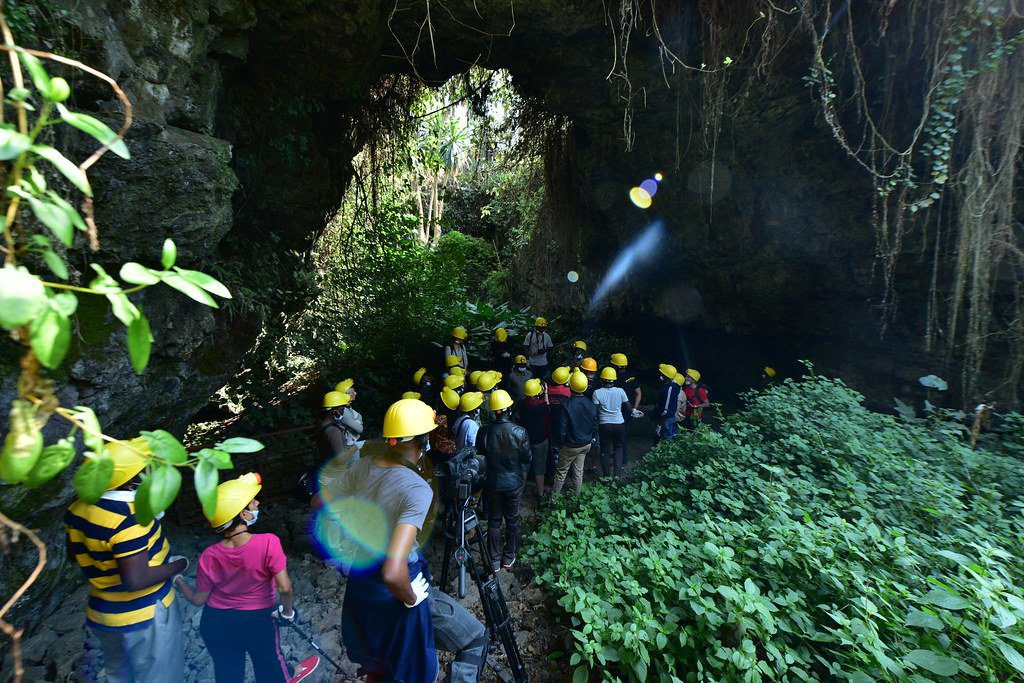
All necessary safety equipment, helmet, flashlight or torch, is provided on arrival, though sturdy, closed footwear is essential and should be brought or worn by visitors themselves. The experience feels immersive, moving through corridors and chambers that create, as many visitors describe it, the sensation of exploring a vast, ancient, slightly eerie underground house.
Thousands of Resident Bats
The caves house a substantial bat population, with visitors regularly seeing groups hanging from the ceiling near the entrance chamber specifically. Beyond simply being a visual spectacle, these bats play a ecological role, helping control local insect populations and contributing to nutrient cycling within the cave environment through their guano, which serves as natural fertilizer for the surrounding vegetation.
A Family-Friendly Alternative to Trekking
Unlike Volcanoes National Park’s more physically intense gorilla and volcano-hiking activities, the Musanze Caves offer a slower-paced, considerably more accessible experience, well suited to families, older travelers, or anyone wanting a rewarding half-day activity without the demanding fitness requirements trekking involves.
This makes the caves a valuable addition to a Volcanoes National Park itinerary specifically for travelers whose group includes members not undertaking gorilla trekking themselves.
Local Art and Craft
Since opening to tourism, the site has developed a modest but local craft economy, with visitors able to browse unique art pieces created and sold by nearby community members, a further, tangible way a Musanze Caves visit contributes to the surrounding local economy beyond the entrance fee alone.
Views of the Virunga Volcanoes
Beyond the underground experience itself, visitors at the cave entrance and surrounding grounds enjoy striking views of the Virunga volcanoes, particularly Mount Gahinga, Mount Karisimbi, and Mount Muhabura, with the lush greenery spilling into the cave’s twilight entrance creating a memorable photo opportunity even for visitors who choose not to venture deep into the tunnels themselves.
Pairing With Canoeing on the Mukungwa River
Some operators combine a Musanze Caves tour with an afternoon canoe excursion on the nearby Mukungwa River, offering further volcano views and birdwatching from the water, a relaxed way to round out a day already spent underground exploring the cave system.
Getting There
The caves sit roughly 90 minutes to two hours by road from Kigali, and about 40 minutes from Musanze town itself, making them a convenient stop for travelers already based in the area for gorilla trekking or volcano hiking, requiring only a modest additional transfer.
Best Time to Visit
The Musanze Caves can be visited at any time throughout the year, given their sheltered, underground setting largely insulated from surface weather conditions, making them a reliable activity choice regardless of season.
What to Bring
Closed, sturdy footwear with good grip is essential given the cave’s occasionally damp, uneven surfaces, and while helmets and flashlights are provided, bringing your own small backup light is a sensible precaution. A light jacket or sweater is worth packing given the cave’s consistently cool interior temperature, a contrast to the warmer conditions outside.
Accessibility Considerations
While walkways and stairs have been installed in key sections to improve access, the caves involve uneven terrain and require reasonable mobility to navigate comfortably. Travelers with significant mobility limitations should discuss the specific route and any accessibility concerns directly with the Rwanda Development Board or their tour operator before booking, since certain sections may prove difficult to navigate.
Frequently Asked Questions
How old are the Musanze Caves?
Approximately 65 million years old, formed by lava flows from the neighbouring Virunga volcanoes, particularly Mount Bisoke and Mount Sabyinyo.
Did the Musanze Caves have a role in Rwanda’s 1994 genocide?
Yes. The caves served as a refuge for Tutsis during the 1994 genocide against the Tutsi, adding significant, sobering historical weight to the site beyond its natural geological interest.
How long is a Musanze Caves tour?
Typically two to three hours, covering the main explored sections across four chambers, with all necessary safety equipment (helmet, flashlight) provided on arrival.
Is the Musanze Caves tour suitable for families or less active travelers?
Yes, well suited. Unlike gorilla trekking or volcano hiking, the caves offer a considerably slower-paced, more accessible experience with installed walkways and stairs in key sections.
How far are the Musanze Caves from Kigali?
Roughly 90 minutes to two hours by road, and about 40 minutes from Musanze town itself, making them a convenient addition to a Volcanoes National Park itinerary.