Self-Drive vs. Guided Safaris in East Africa: Pros and Cons; some travelers love the genuine freedom of driving themselves through the wild, choosing their own pace, and stopping wherever a view demands it.
Others prefer the comfort, local expertise, and peace of mind a professional driver-guide provides. Neither approach is objectively superior; the right choice depends genuinely on your experience level, itinerary, and what kind of trip you’re actually building. This guide breaks down exactly where each style wins.
Both Uganda and Rwanda permit self-drive safaris in specific parks, while gorilla trekking itself always requires a guided approach regardless of how you handle the rest of your itinerary, a genuine, non-negotiable constant worth understanding from the outset.
Where Self-Drive Is Genuinely Possible
In Uganda, self-driving is possible in Murchison Falls, Queen Elizabeth, and Kidepo Valley National Parks. In Rwanda, Akagera National Park offers genuine self-drive opportunities, though guided safaris remain strongly recommended, and in some sectors are required for gorilla tracking in Volcanoes National Park.
This distinction matters considerably when planning: self-drive works well for savanna game-drive parks but essentially never applies to primate trekking itself, which always requires a licensed park ranger regardless of how the rest of your trip is structured.
Rwanda’s Advantage: Genuinely Superior Road Infrastructure
Rwanda has invested heavily in its road network over the past two decades, and it genuinely shows. Main tarmac routes connecting Kigali to Musanze (Volcanoes National Park), Akagera, and Nyungwe Forest are smooth, well-signed, and predictable, a considerable advantage for self-drive travelers.
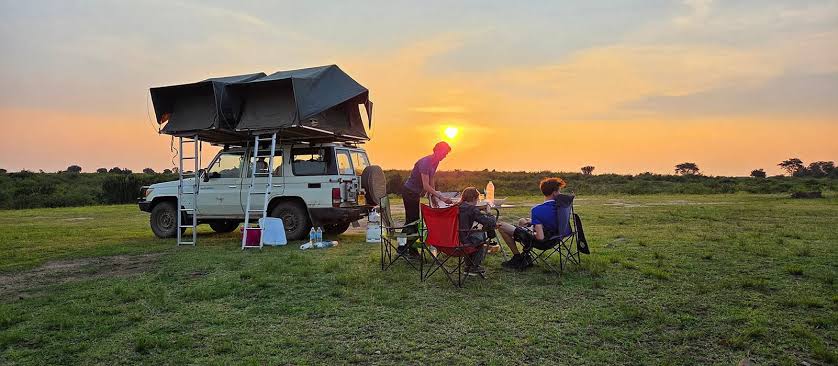
Rwanda’s compact size, roughly comparable to Wales, means most major destinations sit within two to four hours of Kigali, meaningfully reducing the navigation and fatigue challenges self-driving elsewhere in the region can present.
Uganda’s Advantage: Genuine Off-Road Adventure
Uganda demands considerably more of its self-drive visitors. Distances are greater, road conditions are more variable, and navigation outside major towns requires real preparation; reaching remote parks like Kidepo Valley in the far north is a genuine expedition rather than a simple drive.
Uganda delivers an experience for travelers specifically seeking raw adventure, engaging 4WD terrain, river crossings, and the satisfaction of navigating genuinely challenging routes independently, which Rwanda’s more polished, structured tourism model doesn’t quite replicate.
The Genuine Case for Guided Safaris
Guided safaris offer real peace of mind throughout the trip: travelers don’t need to worry about navigation, park regulations, or finding the best wildlife locations, since an experienced driver-guide handles all of this while also serving as a knowledgeable narrator explaining what you’re seeing.
This matters considerably for first-time visitors to East Africa specifically, where unfamiliar road conditions, wildlife behavior, and park logistics can genuinely overwhelm an independent traveler without local experience.
A driver-guide navigates your entire itinerary, mixed paved highways and rougher rural roads, manages vehicle transfers between parks, coordinates lodge check-ins, and handles all logistics between activities, functioning as your single point of contact from airport pickup to final departure.
For travelers traveling solo or preferring a more social environment, joining a guided group safari with fellow travelers can also genuinely enhance the overall experience beyond pure logistics.
Cost Comparison
For small groups or families, self-drive can genuinely be more affordable than fully guided tours, particularly when sharing a rental 4×4 across several travelers. However, it’s worth noting what a self-drive daily rental rate typically excludes: fuel, park entry fees, and gorilla or chimpanzee trekking permits are quoted separately, so the headline rental cost doesn’t represent your full trip budget.
Guided safaris bundle these costs into a single package price, which can feel more expensive upfront but genuinely simplifies budgeting and removes the risk of underestimating fuel and incidental costs along the way.
Who Should Choose Self-Drive
Self-drive is best for confident drivers who have road-tripped in developing countries before, travelers who want to control costs and value independence over convenience, and those who want the flexibility to detour to scenic viewpoints, local markets, or lakeside towns without needing to negotiate a change of plan with a guide. It also suits smaller groups or families wanting to share a single vehicle’s cost across multiple people rather than paying per-person guided rates.
Who Should Choose Guided
Guided safaris genuinely suit first-time visitors to East Africa, travelers with wildlife-heavy itineraries wanting maximum sighting quality from an experienced spotter, and anyone who’d simply rather sit back and let someone else manage navigation and logistics.
It also suits travelers combining gorilla trekking with a wider circuit, since the guided approach handles the seamless coordination between trekking permits, park entries, and accommodation that a self-drive itinerary would otherwise require you to manage independently.
The Middle Ground: Chauffeur-Driven Private Vehicles
A genuine hybrid option exists between fully independent self-drive and a shared guided group tour: hiring a private vehicle with a dedicated driver-guide exclusively for your party. This delivers much of guided travel’s convenience and local expertise while retaining considerably more schedule flexibility than a fixed group departure, at a correspondingly higher cost than either pure self-drive or a shared group safari.
Cross-Border Self-Drive: The Ultimate Combination
For adventurous travelers who genuinely can’t decide between the two countries, a cross-border self-drive combining both is entirely possible and, for many seasoned travelers, represents the most complete East African road safari available.
A typical route starts in Kigali, drives through Rwanda’s highlights, crosses into Uganda at Cyanika or Katuna, and continues through Bwindi, Queen Elizabeth, and Murchison Falls before flying out of Entebbe, combining Rwanda’s polished accessibility with Uganda’s wilder, more untamed depth within a single continuous journey.
Comparing the Two Approaches
| Factor | Self-Drive | Guided |
| Cost | Lower, but excludes fuel/fees/permits from the headline rate | Higher, but typically all-inclusive |
| Convenience | Requires own navigation and logistics management | Fully managed by driver-guide |
| Flexibility | Genuine freedom to detour and set your own pace | Follows planned itinerary |
| Best suited to | Experienced, budget-conscious independent travelers | First-timers, wildlife-focused travelers |
| Gorilla trekking | Always requires a licensed guide regardless of approach | Included as standard |
Practical Cross-Border Considerations
If your self-drive itinerary includes crossing into Rwanda or Kenya, this requires advance notice with your rental company so the correct cross-border permits and insurance can be properly arranged. Flag any planned border crossing when requesting your rental quote, rather than assuming it can be sorted out spontaneously once you’re already on the road.
Vehicle Considerations for Self-Drive
A genuine 4×4 with high ground clearance is essential for self-drive throughout Uganda, given how quickly road conditions shift from paved highway to rutted, unpaved track, particularly approaching remote parks like Kidepo Valley.
Rwanda’s considerably better road infrastructure means a standard sedan can handle main routes between major towns, though a 4×4 remains genuinely advisable for any excursion off the primary tarmac roads, particularly around Volcanoes National Park’s steeper approach roads.
Insurance and Safety Preparation for Self-Drive
Comprehensive vehicle insurance covering both collision and theft is genuinely essential for self-drive travelers, and confirming your specific policy covers the exact roads and regions in your planned itinerary, rather than assuming standard coverage applies universally, avoids potentially serious complications.
Carrying a physical paper map alongside GPS navigation provides a genuinely useful backup given how unreliable mobile signal can become in remote regions, and informing someone of your daily route plan adds a further, sensible layer of safety for independent travel.
Fuel and Vehicle Servicing Along the Route
Fuel stations are genuinely reliable along major routes in both countries but become considerably sparser in remote areas, particularly approaching parks like Kidepo Valley in Uganda’s far north, making it sensible to top up whenever you pass a station rather than waiting until the tank runs low.
Most rental companies provide a 24-hour breakdown assistance number, and confirming this contact works before you depart, along with basic knowledge of how to change a tire, genuinely reduces the stress of any mechanical issue that arises in a remote area with limited connectivity.
Night Driving: A Genuine Recommendation to Avoid
Regardless of destination or vehicle type, driving after dark is genuinely discouraged throughout rural Uganda and Rwanda, given poorly lit roads, unpredictable pedestrian and animal crossings, and the general difficulty of navigating unfamiliar routes in darkness.
Planning each day’s driving to conclude well before sunset, building in a genuine buffer for unexpected delays, is one of the single most important safety practices for any self-drive itinerary in the region.
Frequently Asked Questions
Can I self-drive to see gorillas in Uganda or Rwanda?
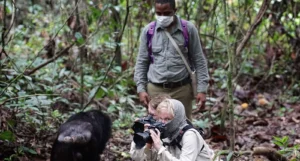
You can self-drive to the park headquarters, but the actual gorilla trek itself always requires a licensed park ranger guide, regardless of how you arrange the rest of your itinerary.
Which country has better roads for self-drive, Uganda or Rwanda?
Rwanda, generally. Its main tarmac routes connecting Kigali to Musanze, Akagera, and Nyungwe are smooth and well-signed, while Uganda’s road conditions are more variable and require considerably more preparation for remote parks.
Is self-drive genuinely cheaper than a guided safari?
Self-drive is often cheaper, especially for small groups sharing a rental, but keep in mind that fuel, park fees, and trekking permits are charged separately from the daily rental rate, unlike most guided packages, which typically bundle these costs.
Can I combine a self-drive trip across both Uganda and Rwanda?
Yes, a popular route starts in Kigali, crosses into Uganda at Cyanika or Katuna, and continues through Bwindi, Queen Elizabeth, and Murchison Falls before flying out of Entebbe, combining both countries’ distinct self-drive character.
Is a guided safari better for first-time visitors to East Africa?
Generally, yes. Guided safaris remove the navigation, park regulation, and wildlife-spotting learning curve, offering genuine peace of mind for travelers unfamiliar with the region’s roads and logistics.