Big Five in Rwanda | Akagera National Park
By the early 2000s, Rwanda had no lions and no rhinos left within its borders, both species wiped out by decades of conflict, poaching, and habitat degradation following the 1994 genocide. This guide covers, in genuine chronological detail, exactly how Rwanda rebuilt its full Big Five status from that starting point, the specific reintroduction dates, the numbers involved, and what current 2026 data shows about the results.
Akagera National Park, Rwanda’s only savanna park in the country’s northeast near the Tanzanian border, is the sole location where all five species, lion, leopard, elephant, buffalo, and both black and white rhino, can realistically be seen, and its transformation ranks among Africa’s more genuinely remarkable conservation turnaround stories.
Where to Actually Find the Big Five
Which of the five you see on a given visit depends considerably more on where you drive than on luck alone. Lion and rhino generally hold to the open northern plains, leopard favour the western woodland and remain the most elusive of the five, genuinely requiring patience and a degree of good fortune to spot, while buffalo and elephant tend to follow available water sources across the park’s varied terrain.
Reintroduction Timeline at a Glance
| Year | Species | Detail |
| 2013 | Perimeter fence completed | 120km fence dramatically reduces human-wildlife conflict |
| 2015 | Lions (first group) | 7 lions from South Africa; bred within months |
| 2017 | Lions (second group) + black rhinos | 18 black rhinos from South Africa |
| 2019 | Black rhinos (second group) | 5 rhinos from Czech Republic, 6,000km, longest such translocation ever |
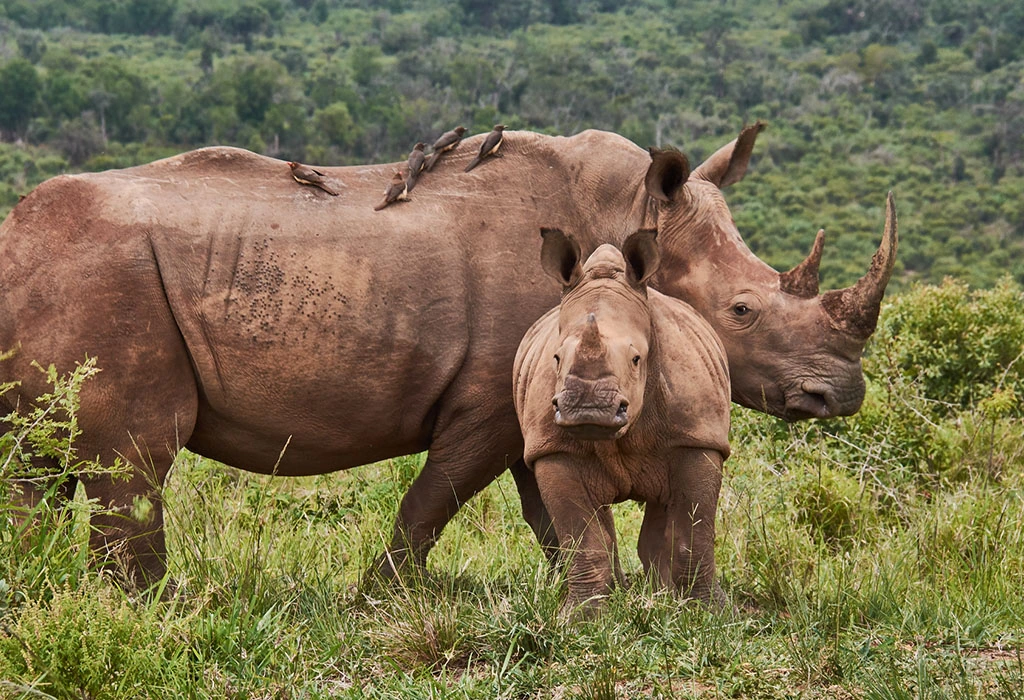
| 2021 | White rhinos (first group) | 30 southern white rhinos |
| 2025 | White rhinos (second group) | Further reintroduction strengthening genetic diversity |
A Realistic Timeframe for a Big Five Visit
A two-day visit is genuinely the realistic minimum for a serious attempt at seeing all five species, given how spread across the park’s varied terrain they are, and working with a knowledgeable park or community guide, rather than relying purely on independent self-drive exploration, meaningfully improves your odds given their detailed, current knowledge of recent sightings and movement patterns.
Ongoing Monitoring and Research
Beyond the headline reintroductions, Akagera’s management team conducts regular wildlife surveys, including bi-monthly elephant counts and periodic broader population assessments, providing the genuine, current data underpinning conservation decisions across the park. This ongoing monitoring work, often less visible to typical visitors than a game drive itself, forms the genuine backbone ensuring the park’s recovery continues on a sound, evidence-based footing rather than simply celebrating past reintroduction milestones.
What This Means for Rwanda’s Broader Tourism Reputation
Akagera’s transformation has become a genuine centrepiece of Rwanda’s broader conservation and tourism narrative, frequently cited alongside the country’s gorilla trekking success as evidence of a deliberate, coordinated national strategy around wildlife protection and community-integrated conservation. For travelers, this means a visit to Akagera contributes directly to a genuinely significant, ongoing national conservation story, not simply an isolated wildlife-viewing experience.
Frequently Asked Questions
When were lions reintroduced to Akagera National Park?
First in July 2015, when seven lions were translocated from South Africa, with a second group following in 2017 to further strengthen genetic diversity.
How were black rhinos brought back to Rwanda?
18 eastern black rhinos were translocated from South Africa in May 2017, followed by five more from the Czech Republic in June 2019, a 6,000-kilometre journey that remains the longest rhino translocation ever recorded from Europe to Africa.
Does Akagera have both black and white rhinos?
Yes, a genuinely rare distinction. White rhinos were reintroduced in 2021 and again in 2025, giving Akagera national park both rhino species simultaneously alongside its established black rhino population.
Has poaching been eliminated at Akagera National Park?
According to recent park data, not a single elephant, lion, or rhino has been poached within Akagera for more than a decade, a genuine, sustained conservation achievement.
How much has Akagera’s wildlife population grown since conservation efforts began?
The park’s large mammal population has more than doubled, from 4,476 individuals in 2010 to 11,338 by 2023, following the 2009 African Parks and Rwanda Development Board management partnership.