Ultimate Guide to African Safaris
An African safari is one of the few trips that changes how a person thinks about travel altogether. It is not a checklist of sights but a slow, attentive way of moving through wild land, and that difference shapes almost every decision that follows, from which country to book to how many days to set aside.
The continent holds more safari country than any single guide can cover in full, so this one is built around the questions that actually determine a good trip: whether a safari suits you, where the wildlife and landscapes genuinely differ, when to travel for your priorities, what a realistic budget looks like, and how the pieces fit together once you start planning.
We have planned safaris for first time travellers who were nervous about the cost and the logistics and for people on their sixth trip who wanted something they had not seen before. The advice below reflects what actually matters once you are on the ground, not the version of Africa sold in brochures.
Is an African Safari Right for You
A safari rewards patience more than adventure in the adrenaline sense. Long game drives, early starts, and stretches where nothing happens are part of the experience, and travellers who expect constant action sometimes find the pace slower than anticipated. If you enjoy being outdoors, can sit still through a quiet hour waiting for a leopard to move, and want a trip built around observation rather than entertainment, a safari will likely exceed your expectations.
It also suits a wide range of budgets and physical abilities. You do not need to be fit to safari well. Game drives happen from a vehicle, most camps have accessible walkways and ground floor rooms available on request, and even a modest budget can secure a good trip if it is planned around the right season and region rather than the most famous one.
The people who tend not to enjoy a safari are those who dislike early mornings, need constant connectivity, or want a fixed, predictable schedule. Wildlife does not perform on a timetable, and the best guides build flexibility into every day for that reason.
Why East and Southern Africa Lead the Safari World
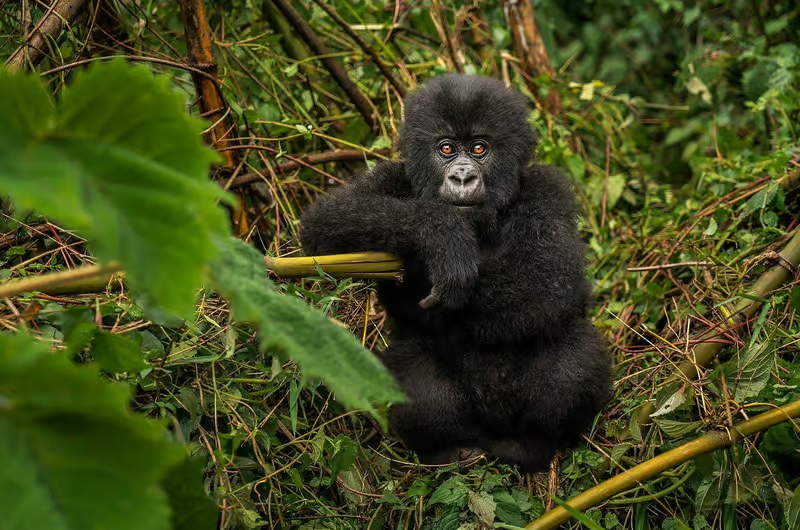
Africa’s safari regions differ enough that the choice of country matters as much as the choice of safari itself. East Africa, particularly Kenya, Tanzania, Uganda, and Rwanda, offers the greatest concentration of iconic wildlife experiences: the wildebeest migration, dense lion and elephant populations, and the only two countries on earth where mountain gorilla trekking is possible alongside classic savannah game viewing.
Southern Africa, led by Botswana, South Africa, and Namibia, offers exceptional infrastructure, malaria free options in parts of South Africa, and landscapes ranging from the Okavango Delta’s waterways to Namibia’s red dunes.
For most first time travellers, East Africa provides the strongest combination of value, wildlife density, and variety within a single trip. A traveller can watch tree climbing lions in Uganda’s Queen Elizabeth National Park, track gorillas through Bwindi’s forest, and still cross into Kenya’s Maasai Mara for open plains game viewing, all within a two week window. Southern Africa tends to suit repeat travellers or those specifically drawn to its particular landscapes and higher end lodge culture.
Where to Go: Comparing the Major Safari Regions
Choosing a destination becomes far easier once you separate what each region is actually known for, rather than comparing them as interchangeable safari options.
| Region | Known For | Best Suited To |
| Uganda | Gorilla trekking, chimpanzees, tree climbing lions, low crowds | Travellers wanting primates and classic game viewing in one trip |
| Kenya | Maasai Mara migration, open plains, strong guiding tradition | First time safari travellers, classic wildlife photography |
| Tanzania | Serengeti migration, Ngorongoro Crater, vast wilderness | Travellers wanting scale and the full migration circuit |
| Rwanda | Gorilla trekking, golden monkeys, polished infrastructure | Shorter, premium primate focused trips |
| Botswana | Okavango Delta, low density luxury camps, elephants | Repeat travellers wanting exclusivity and water based safaris |
| South Africa | Malaria free reserves, wine country add ons, easy access | Families and travellers combining safari with a wider trip |
A useful rule when narrowing your choice: pick the wildlife experience you most want to see, then let that decide the country, rather than picking a country first and hoping it delivers everything.
Someone whose priority is the wildebeest migration should build their trip around Tanzania or Kenya depending on the month. Someone drawn to primates should prioritise Uganda or Rwanda. Someone wanting maximum privacy at a higher price point should look toward Botswana.
When to Travel: Matching Season to Priority
Timing affects a safari more than almost any other decision, and the right season depends entirely on what you are travelling to see.
- Dry season, roughly June to October: wildlife concentrates around permanent water sources, vegetation thins for easier viewing, and this is peak season across most of East and Southern Africa. Expect higher prices and busier camps.
- Green season, roughly November to May: lower rates, fewer other travellers, lush scenery, and excellent birdlife, though some roads become harder to navigate after heavy rain and certain camps close briefly.
- Migration timing: the wildebeest migration moves in a rough annual circuit between the Serengeti and Maasai Mara. The Mara river crossings typically peak between July and September, while calving season in the southern Serengeti runs roughly January to March.
Gorilla trekking in Uganda and Rwanda is possible year round since permits are limited regardless of season, though the drier months of June to September and December to February make the forest hiking noticeably easier underfoot.
What a Safari Actually Costs
Safari pricing varies more than most travel categories, largely because it depends on accommodation style, park fees, and whether the trip is privately guided or joined with other travellers.
| Budget Tier | Typical Cost Per Person Per Day | What It Includes |
| Budget | $150 to $250 | Group tours, budget lodges or camping, shared vehicles |
| Mid Range | $300 to $500 | Comfortable tented camps or lodges, private or small group vehicles |
| Luxury | $600 to $1,200+ | Premium camps, private guiding, light aircraft transfers |
Park entry fees and gorilla or chimpanzee permits are priced and reviewed separately by national park authorities and are subject to change without notice. As of mid 2026, a Uganda gorilla permit runs close to $800, a Rwanda permit close to $1,500, and a Congo permit close to $400. Rwanda’s gorilla habituation permit is confirmed to rise to $1,800 from January 2027. Always confirm current figures directly with us before booking, since these numbers move.
The single biggest cost lever is accommodation style rather than country. A traveller can visit Kenya on a modest budget staying in comfortable tented camps, or spend considerably more in the same park at a high end lodge. Internal flights, which save significant driving time between parks, also add meaningfully to cost and are worth weighing against the time they save.
Choosing the Right Accommodation Style
Lodges offer permanent structures, consistent amenities, and generally easier accessibility, making them a comfortable choice for travellers who want reliable infrastructure or are visiting with mobility considerations.
Tented camps range from simple canvas tents to genuinely luxurious canvas suites with private plunge pools, and place you closer to the sounds and rhythm of the bush without sacrificing much comfort at the mid range and above.
Mobile camps follow the migration or move between locations within a single trip, suiting travellers who want to chase specific wildlife events rather than stay fixed in one place.
Whichever style you choose, camp location within a park often matters more than the brand name attached to it. A well positioned mid range camp near a river crossing or a resident pride can outperform a famous lodge set further from the main wildlife activity.
Activities Beyond the Game Drive
- Walking safaris: guided on foot with an armed ranger, offering a completely different sense of scale and tracking skill, available in parts of Uganda, Zambia, and South Africa.
- Night drives: permitted in select private reserves and conservancies, revealing nocturnal species like leopard, genet, and aardvark that daytime drives rarely encounter.
- Boat safaris: excellent on the Kazinga Channel in Uganda, the Chobe River in Botswana, and the Zambezi, bringing you close to hippo pods and riverside elephant herds.
- Cultural visits: respectful, well run community visits with local communities near several parks add context to the wildlife experience and directly support local livelihoods.
- Hot air balloon safaris: available over the Maasai Mara and Serengeti at sunrise, offering a genuinely different perspective on the landscape for those with room in the budget.
Planning Advice That Actually Matters
Book gorilla permits and peak season camps well ahead. Gorilla permits are limited daily and sell out months in advance during July, August, and December, and popular camps in the Mara and Serengeti fill their best rooms a year ahead for the same period.
Build in enough nights per location. Moving camp every single night looks efficient on paper but leaves little time to actually settle into an area’s rhythm. Two to three nights per park allows for a missed sighting on one drive without the whole visit feeling wasted.
Take out comprehensive travel insurance that explicitly covers emergency evacuation, since some parks are remote enough that medical evacuation by light aircraft is the only realistic option in a serious emergency. Confirm your routing and visa requirements early, since some East African countries now offer a joint East Africa visa covering Kenya, Uganda, and Rwanda, which can simplify multi country trips considerably.
Recommendations by Traveller Type
- First time safari travellers: Kenya or a Kenya and Uganda combination, mid range camps, dry season travel.
- Photography focused travellers: Tanzania’s Serengeti during migration season, or Kenya’s Mara Triangle for consistent big cat sightings.
- Primate and wildlife combined: Uganda, pairing Bwindi gorilla trekking with Queen Elizabeth National Park.
- Honeymooners and privacy seekers: Botswana’s Okavango Delta or a private conservancy bordering the Mara.
- Families with children: South Africa’s malaria free reserves or Uganda’s Lake Mburo, both practical for younger travellers.
Frequently Asked Questions
How many days do I need for a first safari?
Seven to ten days is a comfortable minimum for a single country trip that includes travel days, at least two parks, and enough nights in each to allow for a slow morning or a delayed sighting without feeling rushed.
Is it safe to go on safari?
Safaris are conducted by trained guides in vehicles or on foot with armed rangers where required, and serious incidents are rare. The greater practical risks are road travel between destinations and sun or heat exposure, both manageable with a good operator and sensible preparation.
Do I need vaccinations or malaria medication?
Requirements vary by country and region, and malaria risk exists across most of East and Southern Africa outside a handful of malaria free reserves in South Africa. Consult a travel health clinic several weeks before departure for personal guidance, since recommendations depend on your health history and itinerary.
Can I combine a safari with a beach holiday?
Yes, and it is one of the most popular combinations. Zanzibar pairs naturally with a Tanzania safari, while Kenya’s coast near Mombasa or the Ugandan and Rwandan primate circuits can extend into a Zanzibar or Seychelles add on with minimal extra flying.
Bringing It Together
The right African safari is the one matched to what you actually want from it, not the most photographed itinerary online. Once you know whether you are chasing the migration, tracking gorillas, or simply wanting a comfortable, well guided introduction to the continent’s wildlife, the choice of country, season, and camp style tends to follow naturally.
If you would like help matching a route, season, and budget to what you are hoping to see, we are glad to talk it through and put together options built around your priorities rather than a fixed package.