Ziwa Rhino Sanctuary
Ziwa Rhino Sanctuary is located in Nakasongola District along the Kampala-to-Gulu highway, roughly 176 kilometers north of Kampala and positioned directly on the standard route to Murchison Falls National Park, Ziwa remains the only place in Uganda where visitors can currently see rhinos in a genuinely wild, walkable setting.
From Colonial-Era Abundance to Total Extinction
In the early twentieth century, Uganda’s tourism industry thrived in part due to sizeable wild rhino populations roaming freely across Kidepo Valley and Murchison Falls National Parks, protected under genuinely strict anti-poaching policies maintained by both the colonial government and Uganda’s first post-independence administration.
That protection collapsed entirely during the political instability and armed conflict of the late 1970s and early 1980s, when unprecedented poaching pressure wiped out Uganda’s entire wild rhino population within a matter of years.
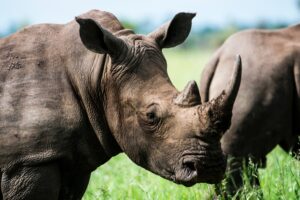
The Rhino Fund Uganda was formed in 2005 specifically to reverse this loss, working in coordination with the Uganda Wildlife Authority toward a long-term goal of reintroducing white rhinos to the country’s national parks.
Recognizing that a dedicated, secure breeding sanctuary was needed first, Ziwa launched with just six founding rhinos, two donated from Disney’s Animal Kingdom in the United States and four from neighboring Kenya, enclosed within 70 square kilometers of protected savanna and bushland behind two-metre-high electric fencing.
A Genuine Conservation Success Story
From those six founding animals in 2005, Ziwa’s population has grown steadily, reaching roughly 42 to 48 individuals by 2025, with some subsequently relocated to Ajai Wildlife Reserve and, in the historic 2026 development, to Kidepo Valley National Park itself.
Every rhino at Ziwa carries an individual name and a documented history, monitored continuously by a dedicated ranger team patrolling the sanctuary 24 hours a day, 365 days a year, a level of individual animal tracking genuinely uncommon even among Africa’s better-resourced conservation programs.
March 2026: Rhinos Return to Kidepo Valley
On 17 March 2026, the first southern white rhinos bred at Ziwa were transported more than 400 kilometers to a newly prepared sanctuary within Kidepo Valley National Park, complete with dedicated fencing, access roads, and fire management infrastructure built specifically for the reintroduction.
John Makombo, Uganda’s Commissioner for Biodiversity Management, described Kidepo as “one of Uganda’s most intact savannah ecosystems,” and the reintroduction of rhinos there restores a species genuinely missing from the park since 1983.
The initial phase involved eight rhinos, with the first two crated animals arriving and stepping out into their new Kidepo home on 17 March 2026, an event carried out in partnership with the conservation organization Global Conservation.
This marks a genuine, significant shift in Uganda’s rhino conservation story, from a single fenced breeding sanctuary toward rhinos once again roaming within an actual national park, and it means travelers visiting Kidepo Valley in the years ahead may have a growing chance of encountering wild rhinos there directly, alongside the park’s already distinctive wildlife.
What a Rhino Tracking Visit Actually Involves
Rhino tracking at Ziwa is a genuinely different wildlife experience from a standard vehicle-based game drive: trained, armed rangers lead small groups on foot through the sanctuary, following fresh footprints and droppings to locate the current herd location before guiding visitors to within a safe but genuinely close distance, roughly seven to ten metres, for observation and photography.
The activity typically takes one to two hours depending on how far the rhinos have moved that day, and early morning or late afternoon sessions, when temperatures are cooler and the rhinos more active, generally offer the best experience.
Entrance and Activity Fees
As a privately managed conservation initiative rather than a government national park, Ziwa’s fee structure differs somewhat from Uganda’s standard park system. The general entrance fee runs $60 for foreign non-residents, $50 for foreign residents, and UGX 50,000 for East African citizens, granting access to the sanctuary itself, with rhino tracking and other guided activities charged separately, typically an additional $40 to $50 per person depending on the specific source and season. Children under 12 generally receive a 50 percent discount on most activities.
Beyond Rhinos:
Ziwa’s wetland edges support hippo and otter, and the sanctuary holds a reliable shoebill stork population, making it a genuinely worthwhile stop for birders even beyond the headline rhino experience, with over 300 recorded bird species overall.
Combining a morning rhino track with an afternoon shoebill boat search transforms Ziwa from a brief roadside stopover into a genuine full-day wildlife destination in its own right, and guided nature hikes through the sanctuary’s mixed habitat reveal further wildlife, including Uganda kob, oribi, olive baboon, vervet monkey, waterbuck, and the grey crowned crane, Uganda’s national bird.
Where to Stay
Ziwa offers on-site accommodation spanning luxury chalets with a genuinely pleasant swimming pool through to more basic dormitory, budget room, and camping options, giving travelers a range of choices without needing to leave the sanctuary itself.
Upmarket accommodation is also available roughly 12 kilometers away at Amuka Lodge, and many travelers simply base themselves in nearby Masindi, treating Ziwa as a half-day or full-day stop en route to Murchison Falls rather than an overnight destination.
Why Ziwa Belongs on Every Murchison Falls Itinerary
Given its position directly on the standard Kampala-to-Murchison Falls road route, Ziwa requires no significant detour to include, and it delivers a genuinely unique wildlife experience, walking on foot alongside wild rhino, that no other stop on a standard Uganda itinerary can replicate.
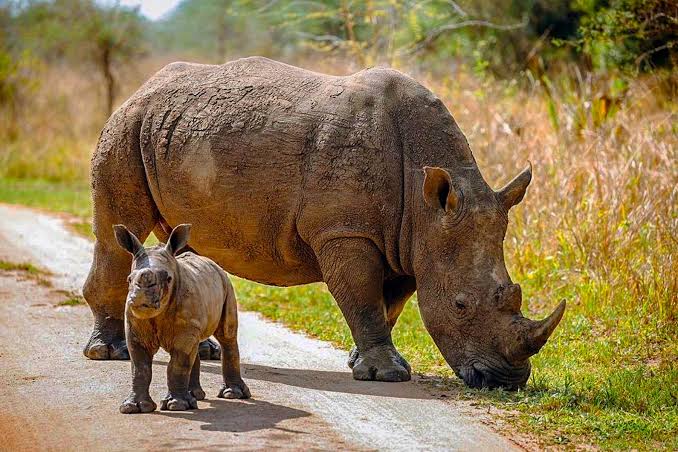
For travelers specifically interested in conservation stories with real, ongoing significance, the 2026 Kidepo reintroduction adds a genuinely current, evolving dimension to what might otherwise be treated as a simple wildlife-viewing stop.
Frequently Asked Questions
Why are there no wild rhinos elsewhere in Uganda?
Rhinos were completely wiped out in Uganda’s national parks by the early 1980s due to armed conflict, political instability, and relentless poaching. Ziwa Rhino Sanctuary was established in 2005 specifically to rebuild the population toward eventual reintroduction.
What happened at Kidepo Valley National Park in March 2026?
The first Ziwa-bred southern white rhinos were translocated to a newly prepared sanctuary within Kidepo Valley National Park, marking Uganda’s first rhinos in an open national park since 1983, a genuine conservation milestone.
How much does rhino tracking cost at Ziwa?
General entrance runs $60 for foreign non-residents, with rhino tracking itself charged as an additional activity fee, typically $40 to $50 per person depending on the source and season.
How close can I get to the rhinos during tracking?
Trained armed rangers guide visitors to within roughly seven to ten meters of the herd, a safe but genuinely close distance for observation and photography.
Is Ziwa Rhino Sanctuary worth visiting beyond just seeing rhinos?
Yes. The sanctuary holds a reliable shoebill stork population and over 300 recorded bird species, alongside hippo, otter, and various plains game, making a combined rhino-tracking and birding visit a genuine full-day experience.