Lake Mburo holds a distinction among Uganda’s savanna parks: it’s the only one where the absence of elephant and, until recently, lion has allowed the Uganda Wildlife Authority to permit guided walking safaris across most of the park’s terrain, putting visitors on foot alongside zebra, impala, and eland in a way no other Ugandan savanna park allows. This guide focuses specifically on the park’s activity menu, walking, cycling, boat cruises, and horseback riding, since that range of ground-level, vehicle-free experiences is what sets Mburo apart.
At just 370 square kilometres, Uganda’s smallest savanna national park, Lake Mburo sits roughly 240 to 260 kilometres from Kampala along the main highway to western Uganda, a three-to-four-hour drive that makes it the country’s most accessible savanna park by a considerable margin.
Walking Safaris:
Guided walking safaris, led by an armed, trained ranger along established trails, cost approximately $30 per person and represent Lake Mburo’s genuine point of difference from every other savanna park in Uganda. Walking here brings visitors considerably closer to zebra, impala, eland, and giraffe than a vehicle ever could, and because the park historically lacked large predators and elephant, the experience carries a calmer, more contemplative atmosphere than walking safaris in parks where dangerous game is a constant consideration.
It’s worth noting a recent, significant change: lions have returned to Lake Mburo in recent years, reintroduced to the park’s ecosystem, meaning current walking safari routes and ranger protocols now account for this shift. Confirming the latest guidance directly with your operator or the park office before booking a walking safari ensures you’re working from current, accurate safety information rather than outdated assumptions about the park’s predator population.
Cycling Through the Park
Lake Mburo is also one of the very few Ugandan parks permitting guided mountain biking along designated trails, a unique way to cover more ground than walking allows while retaining much of the same close, unhurried wildlife engagement. Cycling safaris typically wind through the park’s rolling, acacia-dotted hills and past several of its smaller lakes, delivering sweeping views alongside regular wildlife sightings, zebra and impala in particular tend to tolerate a passing bicycle with genuine calm.
The Boat Cruise
A two-hour boat cruise on Lake Mburo itself costs approximately $30 per person, departing at regular intervals throughout the day with the final tour typically starting around 5:30pm. The cruise delivers close, reliable sightings of hippo, crocodile, otter, and buffalo along the shoreline, alongside excellent birdlife: African fish eagle, pied and malachite kingfisher, hammerkop, heron, cormorant, and, with luck, the shoebill stork, a genuine rarity outside Uganda’s more established wetland birding sites.
The cruise is particularly rewarding during the dry season, when animals concentrate more predictably around the shoreline to drink, and the maximum boat charge for a private group runs $120 for a minimum of four persons, a detail worth understanding if traveling as a smaller party wanting more control over timing and pace.
Horseback Safaris
Horseback riding safaris, typically around $60 per person, offer yet another vehicle-free way to experience the park, and Lake Mburo has become one of Uganda’s premier destinations for this specific activity given its combination of open terrain and historically low predator density. Riding among zebra and giraffe herds delivers a different vantage point on the landscape than either walking or a vehicle-based drive, and the activity suits riders of varying experience levels given the park’s generally gentle, rolling terrain.
Night Game Drives
Night game drives, costing $30 per person or UGX 50,000 for East African citizens, run roughly two hours and reveal a different cast of wildlife from daytime activities: genet, leopard, bush pig, and both common and white-tailed mongoose, with “Leopard Rock” a consistently productive spot for late-evening or early-morning sightings.
The Rubanga Forest Walk
Arranged in advance through the Uganda Wildlife Authority, the Rubanga Forest Walk departs from the western shores of Lake Mburo and offers strong birding within a forest habitat distinct from the park’s dominant open savanna, with over 42 recorded tree species and bird highlights including the double-toothed barbet, green pigeon, grey-backed camaroptera, harrier hawk, Narina trogon, and, again, the sought-after shoebill stork.
The Salt Lick Walk
A further guided option leads visitors, again accompanied by an armed ranger, to the park’s salt lick, where wildlife gathers to lick the mineral-rich soil, with designated observation points allowing visitors to watch this specific behaviour at a safe, comfortable distance.
Entrance Fees
Standard park entrance costs $40 per person per day for foreign non-residents, $30 for foreign residents, and UGX 20,000 for East African citizens. Vehicle entrance is charged separately: $30 for foreign-registered vehicles and UGX 20,000 for Uganda-registered vehicles, charged per 24 hours except for concessionaire vehicles, which pay once per trip.
What Makes Mburo’s Wildlife Distinctive
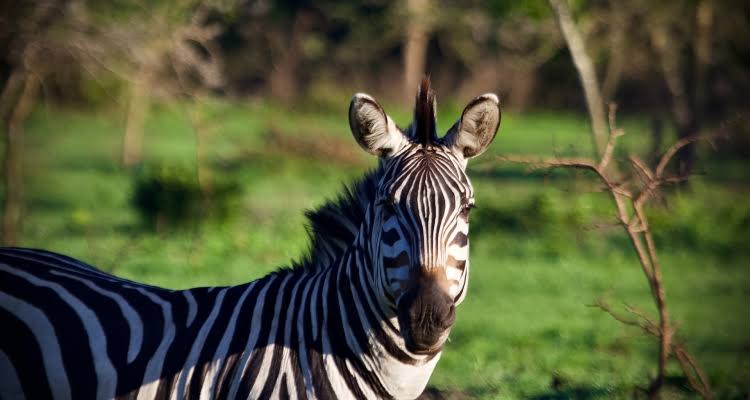
Lake Mburo is one of only three Ugandan parks home to Burchell’s zebra, and the only one supporting impala, slender mongoose, and giant bush rats, giving it a distinct species list from the country’s larger, more famous savanna parks. Since the park’s landscape historically lacked elephant to suppress vegetation growth, much of Mburo has transitioned to considerable woodland alongside its open grassland, giving it a different visual character from Uganda’s flatter, more open plains parks elsewhere.
The park’s bird list runs to roughly 350 species, and its network of five interconnected lakes, part of a wider 50-kilometre wetland system, supports this diversity alongside the park’s varied terrain of rocky ridges, forested gorges, and papyrus swamp.
Quick-Reference Activity Pricing
| Activity | Approx. Cost (per person) |
| Walking safari | $30 |
| Boat cruise | $30 (or $120 minimum for private group of 4+) |
| Horseback safari | $60 |
| Night game drive | $30 |
| Rubanga Forest Walk | Arranged via UWA in advance |
Why Mburo Works So Well as a Short Trip or Stopover
Given its proximity to Kampala, three to four hours by road, Lake Mburo has become a popular weekend getaway, a natural stopover for travelers en route to Uganda’s western parks, and an efficient first or last stop for visitors with limited time. Its compact size means a well-planned two-to-three-day visit can realistically cover a walking safari, a boat cruise, and a game drive without feeling rushed, a different pace from the multi-day commitment larger parks typically require.
Best Time to Visit
Lake Mburo rewards visits year-round given its resident, non-migratory wildlife, though the dry season offers the clearest game viewing as animals concentrate more predictably around the park’s lakes and remaining water sources. The wetter months bring lush, green scenery and excellent birdlife, with generally quieter trails and lower rates across the park’s accommodation options.
Where to Stay
Lake Mburo offers a genuine range of accommodation given its accessibility and popularity as a short-trip destination. Rwakobo Rock and Mihingo Lodge both offer strong mid-to-upper-range options with scenic settings overlooking the park’s rolling terrain, while Lake Mburo Safari Lodge and several budget-friendly campsites near the main gate cover the more affordable end of the spectrum. Given the park’s compact size, nearly any accommodation choice remains within reasonable reach of the main activities.
Health and Safety Preparation
Lake Mburo sits within a malaria-risk zone, and standard prophylaxis remains advisable despite the park’s overall gentler wildlife profile relative to Uganda’s larger savanna parks. With lions now present in the ecosystem again, following their reintroduction, current safety briefings from your guide before any walking or cycling activity should be taken seriously and followed precisely, since this represents a genuine, relatively recent change to the park’s risk profile.
Combining Lake Mburo with the Rest of Uganda
Lake Mburo’s position directly on the main highway connecting Kampala to western Uganda makes it a natural stopover rather than a dedicated destination on its own for many travelers, commonly paired with a longer circuit continuing on to Bwindi Impenetrable National Park for gorilla trekking or Queen Elizabeth National Park for savanna wildlife. Its short distance from Kampala also makes it one of the few Uganda parks suited to a standalone weekend trip for travelers with limited time.
What a Typical Day Looks Like
Given its compact size, a well-paced Lake Mburo day differs from the longer, more transit-heavy days typical of Uganda’s larger parks. A morning game drive or walking safari, a relaxed midday break by the lodge pool or lake shore, an afternoon boat cruise, and an early evening return to camp comfortably fit within a single day without feeling rushed, a genuine contrast to Murchison Falls or Kidepo’s considerably larger distances between activities.
Frequently Asked Questions
Why is Lake Mburo the only Uganda park known for walking safaris?
Historically, the absence of elephants and lions allowed the Uganda Wildlife Authority to permit walking across most of the park. Lions have since been reintroduced, so current safety protocols should be confirmed directly with your operator before booking.
How much does a boat cruise cost at Lake Mburo?
Approximately $30 per person for the standard two-hour cruise, or $120 minimum for a private group of four or more, departing at regular intervals with the last tour typically around 5:30pm.
Can I go horseback riding at Lake Mburo National Park?
Yes, for around $60 per person, one of the park’s signature activities given its historically low predator density and open, gently rolling terrain.
How far is Lake Mburo from Kampala?
Roughly 240 tIt is roughly 240 to 260 kilometres from Kampala, which isour-hour drive, making it Uganda’s most accessible savanna national park and a popular weekend or stopover destination.
What wildlife makes Lake Mburo unique compared to other Uganda parks?
It’s one of only three parks with Burchell’s zebra and the only one home to impala, slender mongoose, and giant bush rats, alongside a bird list of roughly 350 species across its varied lake, wetland, and woodland habitat.