Mabamba Swamp: The Best Place to Spot the Elusive Shoebill Stork
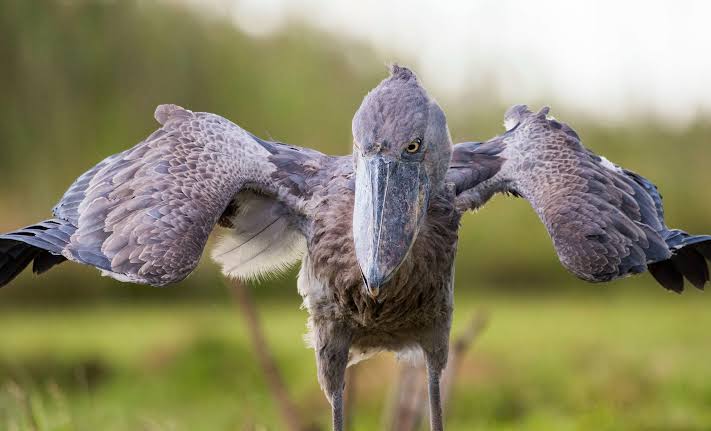
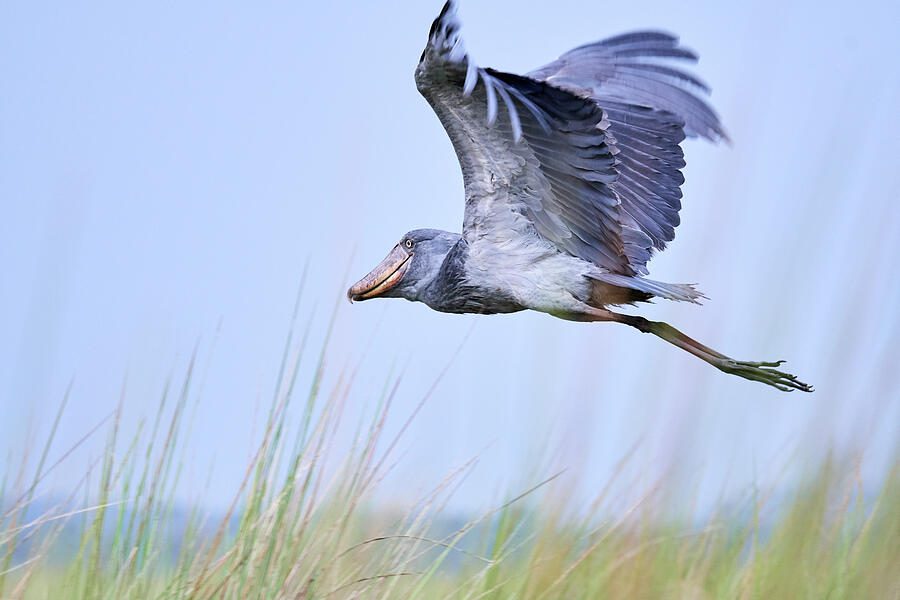
Of all the birds serious birders travel specifically to Africa hoping to see, the shoebill stork sits near the very top of most lists, a bizarre, prehistoric-looking creature with a massive, boot-shaped bill and a stillness so complete it can stand motionless for hours waiting for prey.
Mabamba Swamp, a papyrus wetland on the shores of Lake Victoria roughly 45 minutes by traditional canoe from Entebbe, offers the single most reliable, accessible place anywhere on earth to find one.
This guide covers exactly how a Mabamba shoebill excursion works, what improves your odds of a sighting, and why the swamp itself, beyond the shoebill, represents a genuine community conservation success story worth understanding before you go.
Why the Swamp Is Called Mabamba
Mabamba Swamp takes its name from “emamba,” the local word for lungfish, a species the shoebill stork specifically favours as prey and one abundant within the swamp’s shallow, oxygen-rich waters.
This etymological connection between the swamp’s name and the shoebill’s preferred meal is a small but fitting detail, since it’s precisely this abundant lungfish population that makes Mabamba such reliable shoebill habitat in the first place.
How a Shoebill Excursion Actually Works
Most tours begin with a hotel pickup in Entebbe, typically around 7:00am for the strongest morning viewing window, followed by a transfer to the Nakiwogo Landing Site (formerly known by its colonial name, Port Alice).
From there, guests board a motorized wooden canoe for the roughly 45-minute crossing to the swamp itself, a scenic journey in its own right, passing views of Entebbe, the airport, local fishermen, and increasingly dense birdlife as the boat approaches the swamp’s edge.
On reaching Mabamba or nearby Bussi Island, guests transfer from the larger motorized boat into smaller traditional canoes, typically holding a maximum of three passengers plus a driver and guide, and paddle quietly into the papyrus reeds.
After a period navigating the narrower channels, the reeds open into broader grassy swamp, where the shoebill is most reliably spotted. The full search typically runs one to two hours within the swamp itself, with the complete round trip from Entebbe running three to five hours including boat transfers.
What Are Your Actual Odds of Seeing One?
Shoebill tracking at Mabamba has historically recorded a success rate estimated around 70 percent, strong odds for a species widely considered one of the most elusive birds in Africa, though this figure varies meaningfully with season and timing.
Higher success rates are consistently recorded during the drier months, June through October and December through February, when Lake Victoria’s water levels drop and the birds concentrate more predictably within accessible areas of the swamp.
Timing within the day matters too: the cooler morning hours, roughly 7:00 to 10:00am, offer the best viewing window, when the shoebill is more likely to be actively hunting or visible rather than sheltering from the heat. Afternoon excursions remain worthwhile but generally deliver somewhat lower success rates.
Beyond the Shoebill: A Rich Birding Destination
Mabamba holds well over 260 recorded bird species within its wetland habitat, and even on the rare occasion the shoebill itself proves elusive, guests regularly encounter kingfishers, blue swallow, and a wide range of further waterbirds throughout the canoe journey.
The swamp is also home to the sitatunga, a rare, semi-aquatic antelope adapted to swamp life with elongated, splayed hooves, another endangered species whose survival depends directly on the wetland’s continued protection.
A Community Conservation Story
The local community around Mabamba has worked for years to protect the swamp, and tourism revenue channels directly into ongoing conservation through the Mabamba Bay Community Action Plan, supporting both habitat protection and local livelihoods tied to the swamp’s continued ecological health.
A visit here contributes to this effort, both financially and by raising broader awareness of the shoebill and sitatunga’s precarious conservation status, both species facing real extinction risk if their wetland habitat isn’t actively protected from encroachment.
Cost
Pricing varies by group size and operator, typically running from roughly $35 to $50 per person for a shared group booking, with solo travelers paying somewhat more, around $80 to $85, given the fixed boat and guide costs involved.
Some operators structure pricing on a sliding scale, a single traveler might pay $80, while a group of five or more pays as little as $35 each, making group bookings worthwhile for cost-conscious travelers. Entrance fees to the swamp itself typically run a modest $8 per person, separate from the boat and guide costs.
Getting There: Boat vs. Road
While Mabamba can technically be reached by road or bicycle, the traditional motorized canoe crossing from Nakiwogo remains the preferred, most rewarding method, since it delivers considerably more birdlife viewing along the way than a purely overland approach.
Given the swamp’s proximity to Entebbe International Airport, Mabamba functions as a convenient half-day activity for travelers with a layover, or as a natural first or last activity bookending a wider Uganda safari.
Where to Stay
Most visitors base themselves in Entebbe, given its considerably wider range of accommodation, though travelers wanting to stay closer to the swamp itself have two genuine options: Nkima Forest Lodge, tucked into indigenous forest on a hill overlooking the wetland, offers a distinctive, immersive base directly adjacent to the birding action, though options on the Mabamba side remain limited compared with Entebbe’s broader range.
Combining Mabamba With Other Entebbe Activities
A Mabamba excursion pairs naturally with a visit to the Entebbe Botanical Gardens, dating back to the 1900s and home to prolific birdlife in its own right, or a stop at Entebbe’s craft market for souvenirs and local artwork before departure.
Given the swamp’s short distance from the airport, building a Mabamba morning into either the very start or the very end of a Uganda trip requires minimal additional logistics.
Frequently Asked Questions
How likely am I to actually see a shoebill stork at Mabamba?
Historically around a 70 percent success rate, among the highest odds for this species anywhere in Africa, though this improves further during the drier months (June-October, December-February) and during the cooler morning hours.
How far is Mabamba Swamp from Entebbe?
Roughly 45 minutes by traditional motorized canoe from the Nakiwogo Landing Site, with the full round-trip excursion, including the swamp search itself, typically running three to five hours.
How much does a Mabamba shoebill tour cost?
Generally $35 to $50 per person for shared group bookings, with solo travelers paying more (around $80-85) given fixed boat and guide costs, plus an $8 per person entrance fee to the swamp.
What other wildlife can I see at Mabamba besides the shoebill?
Over 260 recorded bird species, including kingfishers and blue swallow, alongside the sitatunga, a rare, endangered semi-aquatic antelope adapted to swamp life.
When is the best time of day to look for the shoebill?
Early morning, roughly 7:00 to 10:00am, when the bird is more likely to be actively hunting and temperatures remain cool, though afternoon excursions remain a worthwhile alternative.