Sustainable and Ethical Wildlife Tourism in Uganda and Rwanda
Sustainable and Ethical Wildlife Tourism in Uganda and Rwanda; Few wildlife experiences anywhere in the world demonstrate sustainable tourism as clearly as gorilla trekking. In both Uganda and Rwanda, this single activity has directly shaped national conservation strategy, community development policy, and global perceptions of what responsible wildlife travel can genuinely achieve. This guide covers how each country’s approach actually works, what your money funds, and how to choose operators and behaviours that align with those goals rather than undermining them.
Both nations share a fundamental commitment: strict daily permit caps that prioritize value per visitor over sheer volume, ensuring tourism revenue remains meaningful without overwhelming the wildlife itself.
Two Different National Strategies, Both Effective
Uganda’s model emphasizes community integration. Gorilla trekking here is closely tied to local ownership, cultural inclusion, and regional development, and lodges frequently source staff, food, and services directly from surrounding villages, creating a deeply rooted conservation economy where benefits spread widely rather than concentrating narrowly.
Rwanda’s approach instead focuses on high-value regulation, positioning gorilla trekking as a premium conservation product with among the highest permit costs anywhere in Africa, using that premium pricing to deliberately limit visitor volume while maximizing per-trekker conservation revenue.
Uganda’s Revenue Sharing Scheme
Uganda’s Community Conservation Program and Revenue Sharing Scheme ensure that communities surrounding Bwindi Impenetrable national park and Mgahinga Gorilla National Parks share directly in the economic rewards of conservation. These programmes fund school construction, clean water initiatives, and genuine employment opportunities for local people as park rangers, guides, and hospitality staff, giving nearby communities a tangible, ongoing economic stake in the parks’ continued protection rather than viewing them purely as restricted land off-limits to local use.
Why Local Economic Stakes Genuinely Matter
When local communities witness direct economic benefit from tourism, they become genuine stakeholders in conservation rather than bystanders or, in worse cases, adversaries competing with protected wildlife for land and resources. This dynamic has measurably helped reduce human-wildlife conflict and mitigate broader threats to gorilla habitat, since communities with a genuine economic interest in a thriving gorilla population have concrete reasons to support, rather than undermine, the park’s protection.
Rwanda’s Conservation Partnerships
Rwanda’s tourism model has fostered significant partnerships with international conservation organizations, including the Dian Fossey Gorilla Fund and the Jane Goodall Institute. In one notable example, a 2022 retreat at Mount Gahinga Lodge brought together 25 conservationists to establish the Albertine Apes Alliance, a coalition specifically formed to support collective advocacy for the long-term future of great apes across the wider Albertine Rift region, demonstrating how tourism revenue and conservation science increasingly work in direct coordination.
How Permit Fees Actually Translate Into Protection
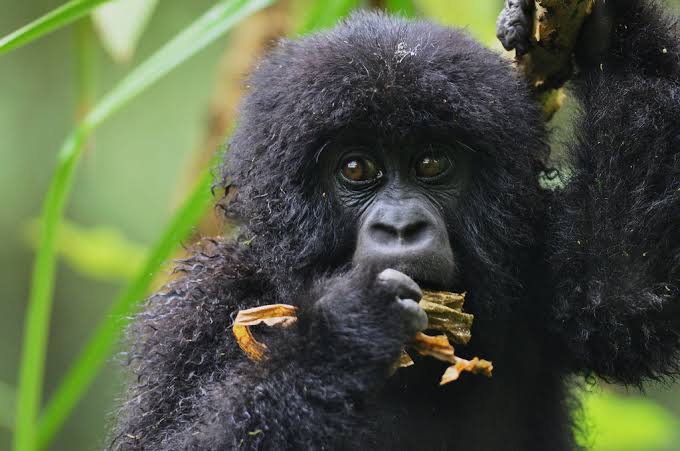
Every gorilla trekking permit funds a specific, interconnected set of activities: daily wildlife health monitoring by dedicated veterinary teams tracking each habituated family, anti-poaching ranger patrols, ongoing habitat restoration, and ongoing community revenue-sharing programs. This funding model has directly helped stabilize, and in several areas genuinely increase, gorilla populations over time, mountain gorillas remain the only great ape subspecies whose numbers are currently growing rather than declining.
Ethical Behaviour on the Trek Itself
Beyond simply purchasing a permit, individual trekker behavior genuinely matters. Maintaining the mandatory viewing distance, generally seven to ten metres, avoiding loud noises, never attempting to feed or touch the gorillas, and remaining with your guide at all times throughout the trek are all non-negotiable rules designed to protect both visitor safety and gorilla wellbeing.
Given the genuine risk of disease transmission between humans and gorillas, given their close genetic relationship, following your guide’s specific health-related instructions, including staying home if you’re feeling unwell, is a genuine ethical obligation rather than an optional courtesy.
Choosing an Ethical Tour Operator
Not every operator delivers the same conservation and community impact, even when charging comparable prices. Ethical operators work directly with local communities for staffing, food sourcing, and services, transparently explain where your fees and tips actually go, and follow strict wildlife-viewing guidelines without exception, rather than bending rules to please demanding clients. Asking direct questions before booking, how does this operator specifically support local communities, what conservation partnerships do they maintain, genuinely helps distinguish operators with real, substantive commitments from those using sustainability purely as a marketing angle.
Personal Sustainability Practices Beyond the Permit
Carrying a reusable water bottle rather than single-use plastic, minimizing waste throughout your trip, and respecting local customs and communities you encounter along the way all genuinely reinforce the broader sustainability goals your permit fee already supports. These small, low-effort habits compound meaningfully when adopted by the tens of thousands of travelers visiting these parks each year.
Eco-Conscious Lodge Choices
A growing number of lodges across both countries have adopted genuine environmental practices beyond simply marketing themselves as eco-friendly: solar power, rainwater harvesting, and locally sourced construction materials feature prominently at properties like Virunga Lodge in Rwanda and Clouds Mountain Gorilla Lodge in Uganda, both directly channeling a portion of guest revenue into ongoing gorilla conservation and community welfare programs.
The Broader Climate Context
Beyond direct poaching and human-wildlife conflict, changing temperature and rainfall patterns present a genuine, longer-term threat to gorilla habitat, potentially altering forest composition and food availability over coming decades. Continued research, community partnership, and habitat protection remain essential to addressing this slower-moving but genuinely serious challenge, reinforcing why sustained tourism revenue, rather than a one-time conservation boost, matters for the species’ long-term future.
How Your Trip Choices Compound These Effects
Beyond gorilla trekking specifically, choosing accommodation with genuine environmental practices, waste reduction, water conservation, and local employment, extends the same sustainability principles across your wider itinerary. Minimizing unnecessary internal flights, choosing to base your trip around fewer destinations rather than a rushed, multi-stop circuit, and supporting community-owned tourism initiatives wherever your route allows all compound to meaningfully reduce your trip’s overall environmental footprint while increasing its genuine positive local impact.
A Genuinely Different Model Than Mass Tourism
It’s worth stepping back to appreciate how genuinely unusual this tourism model is globally. Most wildlife tourism destinations struggle with the tension between visitor volume and environmental protection, more visitors typically means more revenue but also more habitat pressure and disturbance. Uganda and Rwanda’s gorilla trekking model deliberately inverts this relationship, capping visitor numbers while extracting meaningful per-visitor revenue, a structure increasingly cited by conservationists elsewhere as a genuine template worth replicating for other endangered species tourism.
What to Ask Before Booking
Beyond simply choosing a licensed, registered operator, a handful of direct questions genuinely help distinguish a substantively ethical operator from one using sustainability purely as marketing language: what specific community projects does the operator support, how does it train and compensate local staff, and can it provide concrete, verifiable examples of its conservation contributions rather than general claims. An operator confident in its genuine impact will answer these questions readily and specifically.
Frequently Asked Questions
How do Uganda and Rwanda’s sustainability approaches genuinely differ?
Uganda emphasizes community integration and local ownership, with lodges sourcing staff and services locally, while Rwanda focuses on high-value, low-volume tourism through premium permit pricing to limit visitor numbers and maximize conservation revenue per trekker.
What does the Revenue Sharing Scheme in Uganda actually fund?
School construction, clean water initiatives, and direct employment for local people as rangers, guides, and hospitality staff in communities surrounding Bwindi and Mgahinga National Parks.
How can I identify a genuinely ethical tour operator?
Ask direct questions about their specific community partnerships and conservation contributions, confirm they follow strict wildlife-viewing guidelines without exception, and look for operators that source staff and services locally rather than importing everything from outside the region.
What is the Albertine Apes Alliance?
A coalition formed in 2022 at a conservationist retreat in Rwanda, bringing together organizations including the Dian Fossey Gorilla Fund and Jane Goodall Institute to support collective advocacy for great ape conservation across the Albertine Rift.
Does gorilla trekking genuinely help gorilla populations grow?
Yes. Mountain gorillas are the only great ape subspecies currently showing population growth rather than decline, a result widely credited to the conservation funding and community incentive structures that tourism revenue makes possible.